

Comprehensive Outline for “Linear Bearings and Rails”
| Heading Level | Section Title |
|---|---|
| H1 | Linear Bearings and Rails: Complete Guide for Precision Motion Systems |
| H2 | Introduction to Linear Bearings and Rails |
| H3 | What Are Linear Bearings? |
| H3 | What Are Linear Rails? |
| H3 | Why Linear Motion Systems Are Important in Modern Engineering |
| H2 | Key Components of Linear Bearings and Rails |
| H3 | Bearing Blocks |
| H3 | Rail Tracks |
| H3 | Rolling Elements (Balls or Rollers) |
| H3 | Seals and Lubrication Systems |
| H2 | How Linear Bearings and Rails Work |
| H3 | Principle of Linear Motion |
| H3 | Load Distribution and Friction Reduction |
| H3 | Accuracy and Repeatability in Motion |
| H2 | Types of Linear Bearings and Rails |
| H3 | Ball Bearing Linear Guides |
| H3 | Roller Linear Guides |
| H3 | Plain Linear Bearings |
| H3 | Miniature Linear Guides |
| H2 | Materials Used in Linear Bearings and Rails |
| H3 | Hardened Steel |
| H3 | Stainless Steel |
| H3 | Polymer Bearings |
| H2 | Applications of Linear Bearings and Rails |
| H3 | CNC Machines |
| H3 | Robotics and Automation |
| H3 | Medical Equipment |
| H3 | Semiconductor Manufacturing |
| H2 | Advantages of Using Linear Bearings and Rails |
| H3 | High Precision Motion |
| H3 | Reduced Friction |
| H3 | High Load Capacity |
| H3 | Long Service Life |
| H2 | Selecting the Right Linear Bearings and Rails |
| H3 | Load Requirements |
| H3 | Speed and Acceleration |
| H3 | Environmental Conditions |
| H3 | Mounting Configuration |
| H2 | Installation Best Practices |
| H3 | Alignment and Surface Preparation |
| H3 | Mounting Torque Guidelines |
| H3 | Avoiding Installation Errors |
| H2 | Maintenance and Lubrication |
| H3 | Importance of Proper Lubrication |
| H3 | Cleaning and Inspection |
| H3 | Preventive Maintenance Schedule |
| H2 | Common Problems and Troubleshooting |
| H3 | Excessive Noise |
| H3 | Wear and Rail Damage |
| H3 | Misalignment Issues |
| H2 | Innovations and Future Trends |
| H3 | Smart Linear Motion Systems |
| H3 | Integrated Sensors |
| H3 | Lightweight Materials |
| H2 | Frequently Asked Questions (FAQs) |
| H2 | Conclusion |
Linear Bearings and Rails: Complete Guide for Precision Motion Systems
Introduction to Linear Bearings and Rails
Modern machinery depends heavily on precise and smooth motion. From manufacturing equipment to robotics and medical devices, accurate linear movement is essential for performance and efficiency. This is where linear bearings and rails come into play. These components form the backbone of many linear motion systems by allowing parts of a machine to move smoothly along a straight path with minimal friction.
Unlike rotary bearings that support circular movement, linear motion components enable movement along a straight line. They are widely used in automation, industrial manufacturing, and high-precision engineering systems.
What Are Linear Bearings?
Linear bearings are mechanical components designed to provide free motion in one direction. They support loads while allowing objects to slide or roll smoothly along a rail or shaft. The primary purpose of a linear bearing is to minimize friction between moving parts.
Most linear bearings use rolling elements such as steel balls or cylindrical rollers. These elements circulate inside the bearing block, creating smooth motion even under heavy loads.
What Are Linear Rails?
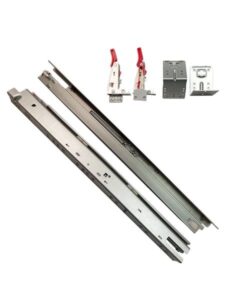
Linear rails are hardened tracks that guide the movement of linear bearing blocks. These rails provide a precise path for the bearings to travel along. They are typically made from high-strength steel and carefully machined to maintain straightness and alignment.
Rails are mounted onto machine frames or structures and serve as the foundation for linear motion systems. When paired with bearing blocks, they form a complete linear guide assembly.
Why Linear Motion Systems Are Important in Modern Engineering
Linear motion systems are essential in industries that demand precision, repeatability, and efficiency. Without reliable motion guidance, machines would experience excessive wear, poor accuracy, and operational instability.
The importance of linear bearings and rails can be seen in applications such as:
Computer numerical control (CNC) machines
Automated manufacturing lines
Robotics systems
Semiconductor fabrication equipment
Medical imaging devices
These systems rely on linear guides to achieve micron-level positioning accuracy and high-speed movement.
Key Components of Linear Bearings and Rails
Understanding the main components of linear guide systems helps engineers choose the right configuration for their applications.
Bearing Blocks
Bearing blocks are the movable components that slide along the rails. They house the rolling elements that reduce friction and support loads.
Most bearing blocks include recirculating ball systems that allow continuous movement without losing contact with the rail.
Rail Tracks
Rail tracks serve as the guiding structure for bearing blocks. They are precision-ground and hardened to ensure durability and accuracy.
Rails often include mounting holes for secure attachment to machine frames. Proper installation ensures optimal alignment and long-term reliability.
Rolling Elements (Balls or Rollers)
Rolling elements are responsible for reducing friction and supporting loads.
Two common types include:
Ball bearings – provide low friction and high speed
Roller bearings – offer higher load capacity
These elements circulate inside the bearing block, allowing continuous movement along the rail.
Seals and Lubrication Systems
Seals protect the internal components from dust, debris, and contaminants. They also help retain lubrication inside the bearing assembly.
Lubrication systems reduce wear and maintain smooth operation over long periods. Proper lubrication significantly extends the lifespan of the linear guide system.
How Linear Bearings and Rails Work
Linear motion systems operate on simple mechanical principles designed to reduce friction and support loads efficiently.
Principle of Linear Motion
Linear motion occurs when a component moves in a straight line. In linear guide systems, the rail provides the path while the bearing block travels along it.
Rolling elements inside the bearing block circulate continuously, allowing smooth movement with minimal resistance.
Load Distribution and Friction Reduction
Load distribution is critical for maintaining system stability. Linear guide systems spread loads across multiple rolling elements, preventing localized stress.
This design reduces friction significantly compared to sliding surfaces, enabling higher speeds and improved efficiency.
Accuracy and Repeatability in Motion
Precision is one of the most valuable characteristics of linear motion systems. High-quality rails and bearings ensure consistent positioning accuracy.
This repeatability is essential for manufacturing processes such as CNC machining, where even small deviations can affect product quality.
Types of Linear Bearings and Rails
Different types of linear motion systems are designed to meet specific application requirements.
Ball Bearing Linear Guides
Ball bearing guides are the most widely used linear motion systems. They feature recirculating steel balls that roll between the bearing block and rail.
Advantages include:
Low friction
High speed capability
Smooth motion
These guides are commonly used in CNC machines and automation systems.
Roller Linear Guides
Roller guides use cylindrical rollers instead of balls. This design increases contact area, allowing them to handle heavier loads.
They are often used in heavy-duty industrial machinery.
Plain Linear Bearings
Plain bearings operate without rolling elements. Instead, they rely on sliding contact between surfaces.
Although they have higher friction, they are simple, cost-effective, and resistant to contamination.
Miniature Linear Guides
Miniature guides are designed for compact equipment and precision instruments. They are commonly found in electronics manufacturing, laboratory devices, and medical technology.
Materials Used in Linear Bearings and Rails
Material selection plays a critical role in durability, performance, and environmental resistance.
Hardened Steel
Hardened steel is the most common material used for rails and bearing components. It offers excellent strength and wear resistance.
Stainless Steel
Stainless steel provides corrosion resistance, making it ideal for environments with moisture or chemicals.
Polymer Bearings
Polymer bearings are lightweight and often self-lubricating. They are commonly used in clean environments or applications requiring low noise.
Applications of Linear Bearings and Rails
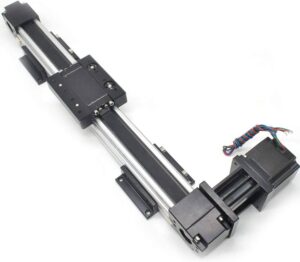
Linear motion systems are essential in many advanced technologies.
CNC Machines
CNC machines require precise movement along multiple axes. Linear guides ensure accuracy during cutting, drilling, and milling operations.
Robotics and Automation
Robotic systems rely on linear motion for tasks such as assembly, packaging, and inspection.
Medical Equipment
Medical imaging machines, surgical robots, and laboratory automation systems often use miniature linear guides.
Semiconductor Manufacturing
Chip manufacturing requires ultra-precise positioning. Linear motion systems help maintain accuracy during wafer processing.
Advantages of Using Linear Bearings and Rails
These systems offer several benefits that improve machine performance.
High Precision Motion
Linear guides provide exceptional accuracy, making them ideal for precision engineering applications.
Reduced Friction
Rolling elements minimize friction, resulting in smoother motion and lower energy consumption.
High Load Capacity
Modern linear guides can support heavy loads while maintaining smooth operation.
Long Service Life
With proper installation and maintenance, these systems can operate for many years without significant wear.
Selecting the Right Linear Bearings and Rails
Choosing the correct system requires evaluating several technical factors.
Load Requirements
Engineers must calculate static and dynamic loads to ensure the guide system can support them safely.
Speed and Acceleration
High-speed applications require bearings designed to handle rapid movement without overheating.
Environmental Conditions
Dust, moisture, and chemicals can affect system performance. Protective seals and corrosion-resistant materials may be necessary.
Mounting Configuration
Proper mounting ensures alignment and prevents premature wear.
Installation Best Practices
Correct installation is essential for achieving optimal performance.
Alignment and Surface Preparation
Mounting surfaces must be flat and clean. Even small alignment errors can affect system accuracy.
Mounting Torque Guidelines
Fasteners should be tightened according to manufacturer specifications to avoid deformation.
Avoiding Installation Errors
Common mistakes include uneven mounting surfaces, incorrect preload, and contamination during assembly.
Maintenance and Lubrication
Regular maintenance ensures long-term reliability.
Importance of Proper Lubrication
Lubrication reduces friction and protects internal components from wear.
Cleaning and Inspection
Periodic inspection helps identify early signs of damage or contamination.
Preventive Maintenance Schedule
Implementing a maintenance schedule minimizes downtime and extends system lifespan.
Common Problems and Troubleshooting
Even high-quality systems can encounter issues over time.
Excessive Noise
Noise may indicate poor lubrication, contamination, or damaged rolling elements.
Wear and Rail Damage
Improper loading or lack of maintenance can cause rail wear.
Misalignment Issues
Misalignment can lead to uneven load distribution and reduced accuracy.
Innovations and Future Trends
Advancements in automation and smart manufacturing are driving new developments in linear motion technology.
Smart Linear Motion Systems
Modern systems now include embedded sensors for monitoring performance.
Integrated Sensors
Sensors can detect vibration, load, and temperature to predict maintenance needs.
Lightweight Materials
Advanced alloys and composite materials are improving efficiency while reducing weight.
Frequently Asked Questions (FAQs)
1. What are linear bearings and rails used for?
They are used to guide smooth linear motion in machinery such as CNC machines, robots, and automation systems.
2. What is the difference between linear bearings and linear rails?
Linear bearings are the moving components, while rails are the tracks that guide their motion.
3. How long do linear bearings last?
With proper lubrication and maintenance, they can last several years or even decades depending on usage.
4. Do linear bearings require lubrication?
Yes. Lubrication reduces friction, prevents wear, and ensures smooth movement.
5. What materials are used for linear rails?
Common materials include hardened steel, stainless steel, and sometimes aluminum or composite materials.
6. How do you choose the right linear motion system?
Selection depends on load capacity, speed, environmental conditions, and mounting configuration.
Conclusion
Linear motion technology plays a crucial role in modern machinery. By enabling smooth, precise movement, linear bearings and rails help machines operate efficiently and accurately.
From robotics to semiconductor manufacturing, these components are essential for industries that demand reliability and precision. Selecting the right system, installing it correctly, and maintaining it properly ensures optimal performance and long service life.
For deeper technical references on linear motion technology, you can explore engineering resources such as https://yhlinear.com/