

Introduction to Ball Bearing Rail Systems
The ball bearing rail has become one of the most vital components in today’s engineering and automation world. Known for its ability to provide smooth linear motion, it is widely used across industries, from robotics and automotive to CNC machines and consumer products. Ball bearing rails deliver precision, speed, and durability, making them essential for modern applications.

What is a Ball Bearing Rail?
A ball bearing rail is a type of linear motion system where steel balls roll between a rail and a carriage, allowing smooth, low-friction movement. These systems are designed to provide accurate positioning, handle moderate loads, and reduce wear.
Engineers often prefer ball bearing rails in applications requiring high speed and accuracy over heavy-duty performance.
The Evolution of Ball Bearing Rail Technology
The journey of ball bearing rails began as an upgrade to sliding guides. Traditional systems generated high friction and required heavy lubrication. With industrial growth, the demand for faster and more efficient systems led to the introduction of recirculating ball bearings in rails, paving the way for automation and robotics.
Types of Ball Bearing Rail Systems
Several ball bearing rail designs exist to meet different industrial needs:
Profiled Ball Bearing Rails – precise, high-load capacity.
Miniature Ball Bearing Rails – for compact devices like medical instruments.
Standard Ball Bearing Rails – widely used in machinery.
Self-aligning Ball Bearing Rails – designed for flexibility in misaligned setups.
Key Components of Ball Bearing Rails
The efficiency of a ball bearing rail depends on its components:
Guide Rail – supports the motion system.
Carriage/Block – moves along the rail with the help of ball bearings.
Ball Bearings – the rolling elements that reduce friction.
End Caps & Seals – protect the system from contaminants.
Lubrication Ports – ensure smooth, long-term operation.
How Ball Bearing Rails Work
Ball bearings roll inside the carriage track, reducing friction and enabling precise movement. The recirculating mechanism allows the balls to continuously cycle, making the system efficient and long-lasting.
Ball Bearing Rail vs. Roller Rail Systems
| Feature | Ball Bearing Rail | Roller Rail |
|---|---|---|
| Speed | Higher | Medium |
| Load Capacity | Medium | High |
| Noise | Lower | Slightly higher |
| Lifespan | Shorter under heavy loads | Longer under heavy loads |
| Cost | Lower | Higher |
While roller rails excel in load-bearing, ball bearing rails dominate in speed and accuracy.
Advantages of Ball Bearing Rail in Industry
High-Speed Performance – supports fast operations.
Smooth Motion – reduces vibration.
Compact Design – fits into tight spaces.
Cost-Effective – cheaper than roller rails.
Versatile Applications – usable in robotics, CNC, and automation.
Limitations and Common Challenges of Ball Bearing Rails
Limited load capacity compared to roller rails.
Susceptible to contamination without proper sealing.
Can experience wear if not lubricated regularly.
Sensitive to misalignment during installation.
Applications of Ball Bearing Rail in Manufacturing
Ball bearing rails are essential for:
Assembly lines
Packaging machines
3D printers
Textile machinery
Semiconductor production
Ball Bearing Rail in Automotive Production
Automotive factories use ball bearing rails in:
Robotic welding arms
Engine assembly lines
Automated test benches
Conveyor systems
Use of Ball Bearing Rail in Robotics and Automation
Robotics relies on ball bearing rails for precise movement. They power robotic arms, AGVs (Automated Guided Vehicles), and pick-and-place systems, ensuring accuracy and reliability.
Ball Bearing Rail for CNC Machines and Tools
CNC machines require smooth linear movement. Ball bearing rails provide the precision needed for drilling, milling, and cutting with minimal vibration.
Ball Bearing Rail in Medical Equipment
Medical technology benefits from miniature ball bearing rails in devices such as:
MRI machines
Diagnostic scanners
Surgical robots
Laboratory automation systems
Material Selection for Ball Bearing Rail Systems
The durability of a ball bearing rail depends on materials:
Hardened Steel – strength and load support.
Stainless Steel – corrosion resistance.
Coated Alloys – for wear protection.
Lightweight Aluminum Rails – for portable devices.
Engineering and Design Considerations for Ball Bearing Rails
Engineers focus on:
Load direction
Ball recirculation design
Rail profile selection
Carriage size compatibility
These factors determine performance and lifespan.
Load Capacity and Performance Factors of Ball Bearing Rail
Key factors include:
Size of ball bearings
Contact angle
Rail hardness
Operating speed
Lubrication method
Maintenance and Lubrication Requirements
Proper care extends the life of ball bearing rails:
Apply grease or oil periodically.
Use dust-proof seals.
Inspect rails for wear.
Clean rails to avoid dirt build-up.
Troubleshooting Common Ball Bearing Rail Issues
Frequent problems include:
Noise – caused by poor lubrication.
Misalignment – leads to uneven wear.
Corrosion – in humid environments.
Vibration – due to damaged balls or rails.
Energy Efficiency and Noise Reduction in Ball Bearing Rails
Ball bearing rails consume less energy by reducing friction. Their design also minimizes noise, making them ideal for hospitals and laboratories.
Innovations and Modern Trends in Ball Bearing Rail Technology
Self-lubricating ball rails
Smart sensors for predictive maintenance
Compact rails for micro-automation
Eco-friendly materials
Cost Factors and Budgeting for Ball Bearing Rail Systems
While cost depends on size and precision, ball bearing rails are generally more affordable than roller rails. Long-term costs remain low due to minimal energy consumption.
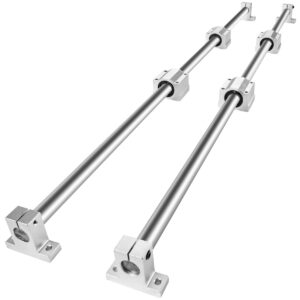
How to Choose the Right Ball Bearing Rail for Your Needs
Consider:
Required load capacity
Speed of operation
Working environment
Maintenance needs
Budget availability
Ball Bearing Rail Installation Guide
Steps for successful installation:
Ensure flat mounting surfaces.
Align rails accurately.
Secure carriages firmly.
Test for smooth, noise-free motion.
Safety Standards for Ball Bearing Rail Applications
Safety protocols include:
Using protective shields.
Regular inspection routines.
Emergency stop systems in automation.
Global Standards and Certifications for Ball Bearing Rail Systems
Certifications such as ISO 9001, ISO 14001, and DIN standards ensure product quality, reliability, and environmental compliance.
Sustainability and Eco-Friendly Ball Bearing Rail Materials
Eco-conscious manufacturers use recyclable materials, biodegradable lubricants, and energy-efficient designs to minimize environmental impact.
Case Studies: Success Stories Using Ball Bearing Rails
Electronics industry – precision in microchip manufacturing.
Medical sector – smoother motion in diagnostic equipment.
Automotive plants – faster production lines.
Expert Insights on Ball Bearing Rail Performance
Industry professionals highlight that choosing the correct ball bearing rail can increase equipment efficiency by 20–30%, depending on application.
Ball Bearing Rail in Everyday Life and Consumer Products
Beyond industries, ball bearing rails appear in:
Sliding drawers
Furniture systems
Household appliances
Fitness machines
Future of Ball Bearing Rail in Smart Factories and AI-driven Systems
In Industry 4.0, ball bearing rails will integrate with IoT and AI systems, enabling predictive maintenance, real-time monitoring, and energy savings.
Frequently Asked Questions About Ball Bearing Rail
What is the lifespan of a ball bearing rail?
With proper lubrication, it can last several years in industrial use.
Can ball bearing rails handle heavy loads?
They are best for medium loads; roller rails are better for very heavy applications.
Are ball bearing rails noisy?
No, they operate quietly compared to other linear motion systems.
Do they require regular maintenance?
Yes, lubrication and cleaning are essential to avoid wear.
Are they suitable for clean rooms?
Yes, stainless steel and sealed models work well in clean environments.
What industries use ball bearing rails most?
Robotics, CNC machining, automotive, and medical equipment.
Conclusion: The Importance of Ball Bearing Rail in Modern Engineering
The ball bearing rail stands as a foundation of precision, speed, and reliability in countless industries. From robotics to medical devices, its ability to deliver smooth, accurate motion makes it indispensable in today’s world. As technology evolves, ball bearing rails will continue to shape automation, smart factories, and sustainable engineering solutions.
Suggested Inbound Links
“Guide to Roller Rail Systems”
“How CNC Machines Work”
“Automation and Robotics in Modern Industry”