

Outline for “Square Linear Guide”
| Main Topic | Subtopics |
|---|---|
| Introduction to Square Linear Guide | Definition, Purpose, Importance |
| What is a Square Linear Guide? | Structure, Key components, Function |
| Features of Square Linear Guide | Rigidity, Load distribution, Accuracy |
| Benefits of Square Linear Guide | Smooth motion, Durability, Efficiency |
| Square Linear Guide vs Round Linear Guide | Differences, Advantages, Applications |
| Materials Used in Square Linear Guides | Steel, Stainless steel, Composites |
| How a Square Linear Guide Works | Motion principle, Load handling, Friction reduction |
| Applications in Industry | CNC machining, Robotics, Medical equipment |
| Square Linear Guide in CNC Machines | Precision cutting, Stability, Tool life extension |
| Use in Robotics and Automation | Accuracy, Repeatability, Load support |
| Role in 3D Printing and Additive Manufacturing | Stable motion, High-resolution prints |
| Square Linear Guide in Medical Technology | Imaging systems, Surgical robotics, Lab automation |
| Installation and Setup | Alignment, Mounting, Lubrication |
| Maintenance and Care | Cleaning, Inspection, Lubrication schedules |
| Troubleshooting Common Issues | Noise, Misalignment, Uneven wear |
| Innovations in Square Linear Guides | Self-lubricating designs, Smart monitoring |
| Buying Guide for Engineers | Factors to consider, Load, Speed, Environment |
| Environmental Considerations | Sustainable materials, Long lifespan |
| Safety Considerations | Overloading risks, Alignment safety, Operator awareness |
| Square Linear Guide | Importance, Reliability, Versatility |
| FAQs | Six detailed FAQs with answers |
| Conclusion | Summary and final thoughts |
| Suggested Internal & External Links | For SEO and authority |
Introduction to Square Linear Guide
A square linear guide is a critical component in engineering and automation, designed to deliver precise, stable, and smooth linear motion. Unlike simpler guiding systems, it offers superior rigidity and accuracy, making it a favorite for high-precision applications.
From CNC machining centers to medical devices and robotics, square linear guides ensure controlled, vibration-free movement even under heavy loads. Without them, industries that depend on micron-level precision would face costly inefficiencies and downtime.
What is a Square Linear Guide?
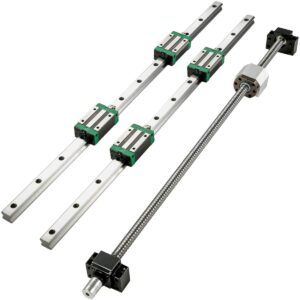
A square linear guide consists of a rail with a square profile and a carriage or block that glides smoothly along it. Inside the block, rolling elements like ball bearings reduce friction while supporting both radial and axial loads.
Its design ensures high rigidity and stability, which is why it’s widely used in applications where accuracy and repeatability are non-negotiable.

Features of Square Linear Guide
Some standout features of square linear guides include:
High Rigidity: Square profile prevents twisting or bending under heavy loads.
Excellent Load Distribution: Handles forces from multiple directions.
Smooth Precision Motion: Ball bearings minimize friction.
Durability: Hardened materials withstand millions of cycles.
Versatility: Works in everything from light robotics to industrial machining.
These features make it superior to many traditional guiding systems.
Benefits of Square Linear Guide
Using a square linear guide system brings multiple benefits:
Smooth Motion: Reduces friction and vibration.
Durability: Longer lifespan compared to sliding mechanisms.
Efficiency: Higher energy savings due to reduced resistance.
High Accuracy: Repeatable motion critical for CNC and robotics.
Cost Savings: Reduced maintenance and replacement costs.
These benefits directly translate into better productivity and quality.
Square Linear Guide vs Round Linear Guide
It’s common to compare square and round linear guides:
| Feature | Square Linear Guide | Round Linear Guide |
|---|---|---|
| Rigidity | High | Moderate |
| Load Capacity | Heavy-duty | Light to medium |
| Accuracy | Superior | Standard |
| Applications | CNC, Robotics, Medical | Furniture, Light automation |
| Cost | Higher upfront | Lower upfront |
For high-precision industries, square linear guides are the clear winner.
Materials Used in Square Linear Guides
The material used determines performance:
Steel: Strong, durable, high-load capacity.
Stainless Steel: Resistant to corrosion, ideal for medical or food industries.
Composites: Lightweight and suitable for cost-sensitive applications.
Engineers select materials based on environment, load, and budget.
How a Square Linear Guide Works
The working principle is straightforward yet highly effective:
Rolling Contact: Bearings roll along the rail, reducing friction.
Load Handling: Even distribution of forces prevents premature wear.
Motion Stability: Maintains precise travel even at high speeds.
This design ensures long-term reliability and performance.
Applications in Industry
Square linear guides serve a wide range of industries:
CNC Machining: Accuracy in cutting and milling.
Robotics: Precision in automation systems.
Medical Devices: Stability for imaging and surgical systems.
3D Printing: Smooth, consistent printing quality.
They’re essential wherever precision motion is required.
Square Linear Guide in CNC Machines
CNC machining demands high precision, and square linear guides deliver:
Stability: Prevents vibration during cutting.
Tool Life Extension: Smoother motion reduces wear on cutting tools.
High-Speed Capability: Handles fast operations without losing accuracy.
Their role in CNC technology cannot be overstated.
Use in Robotics and Automation
In robotics, square linear guides enable:
Accurate Positioning: Every movement is repeatable.
Load Support: Handles robotic arms and payloads efficiently.
Durability: Withstands continuous operation cycles.
They’re key to building reliable, automated systems.
Role in 3D Printing and Additive Manufacturing
For 3D printers, square linear guides ensure:
High-Resolution Prints: No wobbling or misalignment.
Stable Layering: Each layer is placed with precision.
Longevity: Supports continuous printing without frequent breakdowns.
This makes them popular in both hobbyist and industrial 3D printing.
Square Linear Guide in Medical Technology
Healthcare relies heavily on precision, where square guides play a role in:
Imaging Systems: Smooth, quiet motion in MRI and CT machines.
Surgical Robotics: Reliable accuracy during delicate procedures.
Lab Automation: Efficient handling of sensitive equipment.
The quiet and hygienic design is perfect for medical environments.
Installation and Setup
Best practices for installation include:
Alignment: Rails must be parallel and level.
Lubrication: Apply recommended oils or greases.
Mounting: Use proper fasteners to avoid shifting.
A careful setup ensures long-term performance.
Maintenance and Care
Maintenance tips include:
Regular Cleaning: Remove dust and debris.
Scheduled Lubrication: Reduces wear and friction.
Inspection: Watch for unusual noise or movement.
With proper care, these guides can last for years.
Troubleshooting Common Issues
Some common problems include:
Noise: Usually due to contamination or lack of lubrication.
Misalignment: Causes uneven wear and performance issues.
Excessive Wear: Often linked to overloading.
Most issues can be fixed with timely inspection and adjustments.
Innovations in Square Linear Guides
Exciting innovations include:
Self-Lubricating Designs: Reduce manual maintenance.
Smart Monitoring Systems: Sensors track performance and predict wear.
Lightweight Materials: Improve energy efficiency in automation.
These developments enhance both performance and longevity.
Buying Guide for Engineers
When selecting a square linear guide, consider:
Load Requirements: Match the design to expected weights.
Speed: Ensure compatibility with motion speed.
Environment: Choose materials resistant to moisture or chemicals.
Budget: Balance upfront cost with long-term savings.
Trusted brands like THK, Hiwin, and Bosch Rexroth offer reliable products.
Environmental Considerations
Square linear guides contribute to sustainability through:
Energy Efficiency: Less friction means less energy waste.
Long Lifespan: Reduces industrial waste.
Recyclable Materials: Steel and composites can often be reused.
Eco-friendly engineering is becoming a standard in manufacturing.
Safety Considerations
Safety is critical:
Avoid Overloading: Prevents sudden failure.
Proper Alignment: Reduces risk of accidents.
Operator Training: Workers must understand correct handling.
Safe practices extend equipment life and protect users.
Square Linear Guide
A square linear guide is more than a rail — it’s the backbone of precision engineering. Its combination of rigidity, durability, and accuracy makes it indispensable in industries where controlled motion matters most.
FAQs
What is a square linear guide used for?
It provides precise, stable linear motion in CNC machines, robotics, 3D printers, and medical devices.
How is it different from a round linear guide?
Square guides offer more rigidity, higher load capacity, and better accuracy.
Do square linear guides need lubrication?
Yes, though some designs are self-lubricating.
Which industries use square linear guides?
Manufacturing, robotics, healthcare, aerospace, and 3D printing.
How long do they last?
With proper care, they can last for millions of cycles.
Are they expensive?
They cost more upfront but save money through durability and low maintenance.
Conclusion
The square linear guide is a cornerstone of modern precision systems. From CNC machining to medical robotics, it ensures reliable, accurate, and efficient motion. Its benefits of rigidity, durability, and smooth performance make it an irreplaceable component in countless industries.
With innovations like self-lubrication and smart monitoring, square linear guides are evolving to meet the demands of the future — making them a wise investment for engineers and industries alike.
Suggested Links
Internal Links (your site):
Linear Motion vs Rotary Motion Systems
Benefits of Using Linear Bearings
CNC Machine Components Explained
External Links (authoritative sources):