

Linear motion components are the essential building blocks of modern automation and precision machinery. They enable smooth, accurate, and controlled movement in a straight line, making them critical in CNC machines, robotics, semiconductor equipment, and industrial manufacturing systems.
In this guide, you’ll learn everything about linear motion components, including their types, working principles, benefits, applications, and how to choose the right system.
What Are Linear Motion Components?
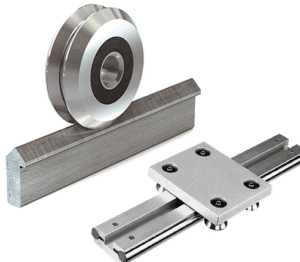
Linear motion components refer to mechanical parts designed to create or support linear movement with high precision and low friction.
A typical system may include:
- Linear guide rails
- Bearing blocks or carriages
- Linear shafts
- Ball screws
- Roller bearings
- Support units and housings
These components work together to convert or guide motion efficiently and accurately.
How Do Linear Motion Components Work?
The working principle of linear motion components is based on reducing friction and ensuring controlled movement through rolling contact systems.
Core Components
- Guide Rail or Shaft: Provides motion path
- Carriage or Bearing Block: Moves along the path
- Rolling Elements: Balls or rollers that reduce friction
- Drive Mechanism (optional): Such as motors or screws
- Lubrication System: Ensures smooth long-term operation
Working Mechanism
As motion is applied, rolling elements circulate between contact surfaces, replacing sliding friction with rolling motion. This enables smooth, precise, and energy-efficient linear movement.
10 Key Benefits of Linear Motion Components
1. High Precision Control
Ensures accurate positioning in automation systems.
2. Low Friction Operation
Reduces wear and energy loss.
3. High Load Capacity
Supports both static and dynamic loads.
4. Smooth Motion Performance
Minimizes vibration and noise.
5. Long Service Life
Durable materials improve lifespan.
6. High Speed Capability
Suitable for fast-moving machinery.
7. Excellent Stability
Maintains alignment under load.
8. Modular Design
Easy integration into different systems.
9. Wide Industrial Use
Applicable across multiple industries.
10. Energy Efficiency
Reduces power consumption in operation.
Types of Linear Motion Components
Different applications require different linear motion components.
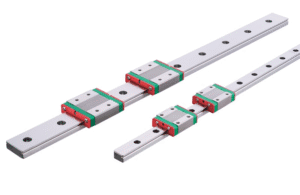
Linear Guide Systems
- High precision rail and block systems
- Used in CNC and automation
Linear Bearings
- Smooth shaft-based motion
- Common in lightweight systems
Ball Screws
- Converts rotary to linear motion
- Used in high-precision positioning
Linear Shafts
- Simple and cost-effective guidance
- Used in general machinery
Applications of Linear Motion Components
Linear motion components are widely used in:
- CNC Machines – Precision machining and cutting
- Industrial Automation – Conveyor and motion systems
- Robotics – Multi-axis movement control
- Medical Equipment – High-accuracy motion systems
- Packaging Machinery – High-speed production lines
👉 Explore industrial motion solutions here:
https://yhlinear.com/product
How to Choose the Right Linear Motion Components
Selecting the correct linear motion components is critical for performance and durability.
Load Requirements
Ensure components support expected loads.
Precision Requirements
Choose high-precision systems for accurate applications.
Speed Requirements
Match components with required motion speed.
Environmental Conditions
Consider dust, moisture, and temperature exposure.
System Compatibility
Ensure all components work together seamlessly.
For technical reference:
👉 https://www.thk.com/?q=us/node/598
Installation Tips for Linear Motion Components
Proper installation ensures optimal performance:
- Align all components accurately
- Use proper torque on fasteners
- Apply lubrication before operation
- Avoid contamination during assembly
Maintenance Best Practices
To extend lifespan of linear motion components:
- Regular lubrication
- Cleaning of moving parts
- Inspection for wear and damage
- Timely replacement of worn components
Linear Motion Components vs Traditional Mechanical Systems
| Feature | Linear Motion Components | Traditional Systems |
|---|---|---|
| Precision | High | Medium |
| Friction | Low | High |
| Efficiency | High | Low |
| Lifespan | Long | Short |
Future Trends in Linear Motion Components
The evolution of linear motion components includes:
- Smart sensor integration
- Predictive maintenance systems
- Lightweight advanced materials
- Industry 4.0 automation compatibility
FAQs About Linear Motion Components
1. What are linear motion components used for?
They are used to enable smooth and precise linear movement in machines.
2. What are the main types of linear motion components?
Linear guides, bearings, shafts, ball screws, and support units.
3. Can linear motion components handle heavy loads?
Yes, especially industrial-grade guide and roller systems.
4. Do linear motion components require maintenance?
Yes, regular lubrication and inspection are required.
5. What industries use linear motion components?
CNC machining, robotics, automation, and manufacturing industries.
6. Where can I buy high-quality linear motion components?
You can explore reliable products here:
👉 https://yhlinear.com/product
Conclusion
Linear motion components are the foundation of modern precision engineering and automation systems. They deliver accuracy, stability, and efficiency across a wide range of industrial applications, from CNC machining to robotics.
For professional-grade motion solutions, visit:
👉 https://yhlinear.com/product