

Linear slides and guides are essential components in modern automation and precision engineering. They provide smooth, accurate, and low-friction linear movement, making them widely used in CNC machines, robotics, semiconductor equipment, medical devices, and industrial manufacturing systems.
In this guide, you’ll learn everything about linear slides and guides, including how they work, their benefits, types, applications, and how to choose the right solution.
What Are Linear Slides and Guides?
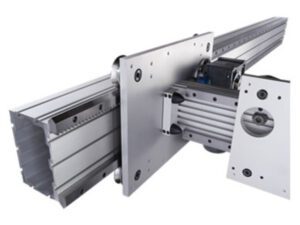
Linear slides and guides are motion systems designed to support and guide movement along a straight path with high precision and stability.
A typical system includes:
- A hardened guide rail
- A sliding carriage or block
- Rolling elements such as steel balls or rollers
- Lubrication and sealing systems
These components work together to deliver smooth and efficient linear motion.
How Do Linear Slides and Guides Work?
The working principle of linear slides and guides is based on rolling contact instead of sliding friction.
Core Components
- Guide Rail: Provides a rigid and accurate motion path
- Carriage Block: Moves smoothly along the rail
- Rolling Elements: Reduce friction and support loads
- Seals: Protect against dust and debris
- Lubrication System: Ensures long-term smooth operation
Working Mechanism
As the carriage moves along the guide rail, rolling elements circulate inside the block, enabling smooth, low-resistance, and highly precise movement.
10 Key Benefits of Linear Slides and Guides
1. High Precision Motion
Ensures accurate positioning in industrial systems.
2. Low Friction Performance
Rolling elements significantly reduce resistance.
3. High Load Capacity
Supports both static and dynamic loads.
4. Smooth Operation
Minimizes vibration and operational noise.
5. Long Service Life
Durable materials increase lifespan.
6. High Speed Capability
Suitable for fast automation systems.
7. Excellent Stability
Maintains alignment under operating loads.
8. Easy Installation
Standardized designs simplify machine integration.
9. Wide Industrial Applications
Used across multiple industries.
10. Energy Efficiency
Lower friction reduces power consumption.
Types of Linear Slides and Guides
Different applications require different linear slides and guides configurations.
Ball-Type Linear Slides and Guides
- High precision and speed
- Common in CNC and automation systems
Roller-Type Linear Slides and Guides
- Higher rigidity and load capacity
- Ideal for heavy-duty machinery
Miniature Linear Slides and Guides
- Compact design
- Used in medical and electronic devices
Heavy Duty Linear Slides and Guides
- Designed for industrial environments
- Handles high loads and vibration
Applications of Linear Slides and Guides
Linear slides and guides are widely used in:
- CNC Machines – Precision machining and cutting
- Automation Systems – Repetitive motion control
- Robotics – Multi-axis movement systems
- Medical Equipment – Silent and accurate operation
- Semiconductor Equipment – Ultra-high precision applications
👉 Explore industrial motion solutions here:
https://yhlinear.com/product
How to Choose the Right Linear Slides and Guides
Selecting the correct linear slides and guides is critical for machine performance.
Load Requirements
Ensure the system supports expected operating loads.
Precision Requirements
Choose high-precision systems for accurate positioning.
Speed Requirements
Ensure compatibility with operating speed.
Environmental Conditions
Consider dust, humidity, and corrosion exposure.
Rail Compatibility
Match dimensions with machine structure.
For technical reference:
👉 https://www.hiwin.com/en/products/linear-guideways/
Installation Tips for Linear Slides and Guides
Proper installation ensures optimal performance:
- Align rails accurately
- Tighten mounting bolts evenly
- Apply lubrication before operation
- Prevent contamination during installation

Maintenance Best Practices
To extend lifespan of linear slides and guides:
- Lubricate regularly
- Clean rail surfaces
- Inspect for wear and alignment issues
- Replace damaged seals when necessary
Linear Slides and Guides vs Traditional Sliding Systems
| Feature | Linear Slides and Guides | Traditional Slides |
|---|---|---|
| Friction | Low | High |
| Precision | High | Medium |
| Load Capacity | High | Low |
| Lifespan | Long | Short |
Future Trends in Linear Slides and Guides Technology
The development of linear slides and guides includes:
- Smart monitoring systems
- Lightweight advanced materials
- Industry 4.0 integration
- Enhanced corrosion-resistant coatings
FAQs About Linear Slides and Guides
1. What are linear slides and guides used for?
They are used for smooth and precise linear movement in industrial machinery.
2. How do linear slides and guides reduce friction?
They use rolling elements instead of sliding contact surfaces.
3. Can linear slides and guides handle heavy loads?
Yes, especially roller-type and heavy-duty systems.
4. Do linear slides and guides require maintenance?
Yes, regular lubrication and cleaning are necessary.
5. What industries use linear slides and guides?
CNC machining, robotics, automation, and manufacturing industries.
6. Where can I buy high-quality linear slides and guides?
You can explore reliable products here:
👉 https://yhlinear.com/product
Conclusion
Linear slides and guides are critical components in modern precision motion systems, delivering smooth operation, high accuracy, and long-term reliability. Whether used in CNC machinery, robotics, or industrial automation, they ensure stable and efficient performance.
For professional-grade motion solutions, visit:
👉 https://yhlinear.com/product