

Introduction to Guide Bearing Systems
In the world of precision engineering and industrial automation, guide bearings quietly play a vital role. They ensure smooth, controlled, and accurate motion between moving machine components. Without them, industries would face higher friction, reduced efficiency, and excessive wear on critical equipment.
Guide bearings are not just parts; they are enablers of speed, accuracy, and longevity in mechanical systems.
What is a Guide Bearing?
A guide bearing is a type of bearing specifically designed to guide motion along a defined path while carrying loads. Unlike standard bearings that allow rotation, guide bearings often provide linear or constrained motion, ensuring stability and accuracy in mechanical systems.
They are widely used in CNC machines, robotics, elevators, and automotive components where controlled linear movement is essential.
History and Development of Guide Bearings
Guide bearings evolved from simple bushings and sliding mechanisms. As industries demanded faster, more precise, and more durable systems, engineers introduced rolling elements—balls and rollers—to reduce friction.
Modern guide bearings now feature self-lubricating properties, advanced coatings, and smart sensors that allow predictive maintenance.
Types of Guide Bearings
Guide bearings come in various forms, including:
Linear Guide Bearings – enable smooth straight-line motion.
Rotary Guide Bearings – guide controlled circular motion.
Cross Roller Bearings – high rigidity, used in robotics.
Needle Guide Bearings – compact, for tight spaces.
Cam Follower Bearings – ideal for high-load automation systems.
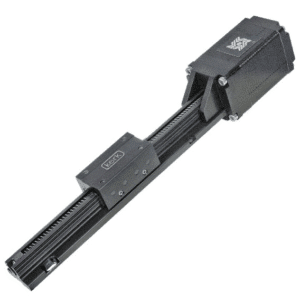
Key Components of a Guide Bearing
A typical guide bearing includes:
Outer and Inner Rings – define the motion path.
Rolling Elements – balls, rollers, or needles.
Cages/Separators – keep elements evenly spaced.
Seals and Shields – protect against dust and contaminants.
Lubrication System – reduces friction and wear.
How Guide Bearings Work
Guide bearings function by reducing friction between moving surfaces. Rolling elements such as balls or rollers rotate between the inner and outer rings, allowing smooth, controlled movement. This ensures load distribution, minimal wear, and high precision.
Guide Bearing vs. Standard Bearings
| Feature | Guide Bearing | Standard Bearing |
|---|---|---|
| Function | Guides motion in specific direction | Allows free rotation |
| Load Handling | Direction-specific | General-purpose |
| Accuracy | High | Moderate |
| Applications | CNC, robotics, automation | Motors, fans, wheels |
Advantages of Using Guide Bearings in Industry
High precision and stability
Reduced vibration
Extended machine life
Smooth linear or guided motion
Compact and versatile designs
Limitations and Challenges of Guide Bearings
Sensitive to misalignment.
Require proper lubrication and sealing.
Can be more expensive than plain bearings.
Limited tolerance for contamination.
Applications of Guide Bearings in Manufacturing
Guide bearings are indispensable in:
CNC machining centers
Conveyor systems
Assembly lines
Packaging machinery
Injection molding machines
Guide Bearings in Automotive Industry
In vehicles, guide bearings appear in:
Transmission systems
Seat adjustment mechanisms
Door sliding systems
Engine components
Use of Guide Bearings in CNC Machines
CNC machines rely on guide bearings for precise tool positioning and repeatability. Without guide bearings, micron-level accuracy would be impossible in drilling, cutting, and milling.
Guide Bearings in Robotics and Automation
Robots need compact, high-precision bearings for articulated arms, automated guided vehicles (AGVs), and pick-and-place systems. Guide bearings ensure these machines operate smoothly and reliably.
Guide Bearings in Aerospace and Aviation
In aviation, guide bearings must withstand extreme conditions. They are used in:
Landing gear systems
Flight control surfaces
Engine components
Cabin seat mechanisms
Material Selection for Guide Bearings
The material choice affects performance:
Hardened Steel – durable and cost-effective.
Stainless Steel – corrosion-resistant.
Ceramics – lightweight and heat-resistant.
Composite Materials – for specialized lightweight applications.
Engineering and Design Considerations for Guide Bearings
Engineers evaluate:
Load direction (radial or axial)
Required precision level
Operating environment
Expected lifespan
These considerations help in selecting the best bearing design for specific applications.
Load Capacity and Performance Factors
Load capacity depends on:
Bearing size
Contact surface area
Rolling element type
Material hardness
Performance also varies with speed, alignment, and lubrication quality.
Friction, Heat, and Wear in Guide Bearings
Excessive friction can lead to overheating and accelerated wear. High-performance guide bearings use advanced coatings and optimized lubrication systems to minimize these effects.

Lubrication and Maintenance Needs of Guide Bearings
Lubrication prevents direct metal-to-metal contact. Maintenance includes:
Regular grease or oil application
Cleaning to remove contaminants
Seal inspections
Monitoring for wear patterns
Common Problems and Troubleshooting Guide Bearings
Typical issues include:
Noise or vibration – caused by contamination or misalignment.
Overheating – due to poor lubrication.
Premature wear – often linked to overloading.
Jamming – from debris in the track.
Comparison: Guide Bearings vs. Roller Bearings
While both provide motion, guide bearings emphasize directional control, whereas roller bearings focus on load support and rotation.
Energy Efficiency in Guide Bearing Applications
Guide bearings improve energy efficiency by minimizing friction, reducing motor load, and extending equipment lifespan.
Innovations and Future Trends in Guide Bearing Technology
Self-lubricating bearings
Smart sensors for predictive maintenance
Lightweight composite bearings
High-temperature resistant ceramic models
Cost Considerations of Guide Bearings
Factors influencing cost include:
Bearing size and type
Material selection
Precision grade
Special coatings or seals
Though costlier than standard bearings, they provide long-term savings.
How to Select the Right Guide Bearing
Selection depends on:
Load type and weight
Motion type (linear or rotary)
Environment (dust, humidity, temperature)
Maintenance frequency
Installation Guidelines for Guide Bearings
Steps include:
Preparing clean mounting surfaces.
Ensuring precise alignment.
Using appropriate fastening methods.
Testing for smooth operation before use.
Safety Standards for Guide Bearing Systems
Following international safety protocols ensures reliability:
Avoiding overloading
Ensuring proper lubrication
Installing protective covers
International Standards and Certifications for Guide Bearings
Common certifications:
ISO 9001 – Quality management
ISO 281 – Bearing life calculation
DIN Standards – German engineering norms
Sustainability and Eco-Friendly Materials in Guide Bearings
New bearings use recyclable metals, eco-friendly lubricants, and coatings that extend service life, reducing waste.

Case Studies: Successful Use of Guide Bearings in Industry
Automotive manufacturing – improved assembly precision.
Medical robotics – smoother surgical operations.
Aerospace systems – lighter and more durable flight mechanisms.
Expert Insights on Guide Bearing Performance
Experts note that properly selected guide bearings can increase machine lifespan by up to 40%, reducing maintenance downtime.
Guide Bearings in Everyday Devices and Tools
Guide bearings are not just industrial—they appear in:
Sliding doors
Furniture systems
Elevators
Office equipment
Future of Guide Bearings in Smart Factories
In Industry 4.0, guide bearings will integrate with IoT and AI-based monitoring systems, ensuring predictive maintenance and reduced downtime.
Frequently Asked Questions About Guide Bearings
What makes guide bearings different from standard bearings?
They provide directional guidance along with load support.
Do guide bearings require lubrication?
Yes, lubrication is critical for reducing wear and extending life.
Can guide bearings handle heavy loads?
Yes, especially roller-based designs built for industrial use.
Are guide bearings expensive?
They cost more than standard bearings but last longer.
Where are guide bearings most used?
CNC machines, automotive systems, robotics, and aerospace.
Do they work in clean rooms?
Yes, stainless steel and sealed versions are ideal.
Conclusion: Why Guide Bearings Are Crucial in Modern Engineering
The guide bearing is a cornerstone of modern engineering, ensuring stability, precision, and long service life in industries ranging from CNC machining to aerospace. With advancements in smart technology and eco-friendly materials, guide bearings will remain essential in driving innovation, efficiency, and sustainability.
Suggested Inbound Links
“Roller Bearing vs Ball Bearing Explained”
“Guide to CNC Linear Slide Systems”
“Automation and Robotics in Industry 4.0”