

Outline for Long-Form Article on Linear Bearing Slide
| Main Heading | Sub-Headings |
|---|---|
| Introduction to Linear Bearing Slide | Meaning and importance, Brief evolution, Key role in engineering |
| Linear Bearing Slide | What it is, How it functions, Difference from other linear guides |
| Types of Linear Bearing Slide | Ball slides, Roller slides, Crossed roller slides, Plain slides |
| Working Principle of Linear Bearing Slide | Friction reduction, Rolling contact, Sliding mechanism |
| Advantages of Linear Bearing Slide | Precision, High load capacity, Energy efficiency, Low wear |
| Applications of Linear Bearing Slide | Robotics, CNC machining, Medical equipment, Aerospace, Industrial automation |
| Materials Used in Linear Bearing Slide | Stainless steel, Ceramics, Aluminum alloys, Composite materials |
| Factors to Consider When Choosing Linear Bearing Slide | Load, Speed, Environment, Cost |
| How Linear Bearing Slide Improves Machine Performance | Reduced downtime, Enhanced accuracy, Smooth operation |
| Installation Tips for Linear Bearing Slide | Alignment, Mounting surfaces, Lubrication methods |
| Maintenance of Linear Bearing Slide | Cleaning, Lubrication, Inspection schedules |
| Linear Bearing Slide vs Linear Guideways | Design differences, Applications, Cost considerations |
| Common Issues with Linear Bearing Slide | Misalignment, Overheating, Vibration problems |
| Troubleshooting Linear Bearing Slide Failures | Identifying root causes, Preventive steps |
| Innovations in Linear Bearing Slide Technology | Self-lubricating designs, Smart monitoring, Lightweight solutions |
| Role of Linear Bearing Slide in Robotics | Precision movement, High repeatability, Reduced energy use |
| Linear Bearing Slide in CNC Machines | Accurate cutting, Long tool life, Consistency in production |
| Energy Efficiency of Linear Bearing Slide | Lower power consumption, Eco-friendly operation |
| Cost-Benefit Analysis of Linear Bearing Slide | Long-term savings, ROI advantages |
| Future Trends in Linear Bearing Slide | AI-based monitoring, Nanotechnology coatings |
| Case Studies Using Linear Bearing Slide | Automotive industry, Medical robotics, Aerospace projects |
| Safety Considerations in Linear Bearing Slide Usage | Load safety, Operator protection |
| Global Market of Linear Bearing Slide | Market trends, Leading brands, Future growth |
| FAQs about Linear Bearing Slide | Six detailed FAQs |
| Conclusion on Linear Bearing Slide | Final insights, Key takeaways |
| Suggestions for Internal & External Links | Inbound and outbound link ideas |
Introduction to Linear Bearing Slide
Linear bearing slides are among the unsung heroes of modern engineering. They quietly ensure that heavy components, delicate instruments, and high-speed machinery move with flawless precision. If you’ve ever watched a CNC machine carve metal with pinpoint accuracy, or seen a robotic arm glide effortlessly to assemble electronic parts, then you’ve witnessed the power of a linear bearing slide in action.
The idea of reducing friction in motion systems isn’t new. Ancient civilizations relied on primitive sliding mechanisms, often using lubricated wood or bronze. While functional, these lacked durability. With the industrial revolution came the need for higher accuracy and stronger materials. Engineers responded by developing linear slides with rolling elements that could handle heavier loads and last longer.
Today, the linear bearing slide plays a vital role across industries—from robotics to medical equipment—because it provides unmatched reliability, reduces downtime, and delivers energy efficiency.
Linear Bearing Slide
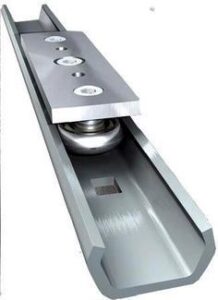
A linear bearing slide is a mechanical device designed to enable smooth straight-line motion with minimal resistance. Unlike rotary bearings, which allow circular motion, linear slides ensure back-and-forth movement.
These slides are composed of:
Guide Rails: Fixed tracks along which the bearing moves.
Bearing Blocks: Containing rolling elements or sliding surfaces that reduce friction.
Mounting Surfaces: Where machines or components attach for precise linear motion.
What sets them apart is their ability to combine load-bearing strength with accuracy. Whether in delicate optical instruments or heavy-duty industrial systems, linear slides maintain consistency where traditional bearings would fail.
Types of Linear Bearing Slide
Linear bearing slides are not one-size-fits-all. Different industries demand different solutions. Let’s explore the main types:
Ball Slides:
Featuring ball bearings that roll within grooves, these slides deliver exceptionally smooth motion. They’re ideal for high-speed, low-load applications.Roller Slides:
Using cylindrical rollers instead of balls, these offer higher load capacity. They are perfect for heavy-duty applications such as industrial presses.Crossed Roller Slides:
Designed for extreme precision, these use rollers arranged at 90° angles to prevent deflection. They are often used in semiconductor and optical equipment.Plain Slides:
The simplest design, plain slides use low-friction materials like PTFE or bronze. They excel in environments where dirt or dust would damage ball or roller systems.
Each type has its strengths, but the unifying factor is friction reduction and durability.
Working Principle of Linear Bearing Slide
The concept behind linear bearing slides is elegantly simple: minimize resistance while enabling linear travel.
Rolling Contact: Ball and roller slides reduce sliding friction by turning it into rolling friction. Rolling requires less energy than sliding, ensuring smoother movement.
Sliding Contact: In plain slides, advanced low-friction materials keep surfaces from wearing down quickly.
Load Distribution: The design spreads forces evenly, preventing stress points and extending equipment life.
Think of it like pushing a box across a floor—sliding it directly requires effort, but placing it on rollers makes the job effortless. That’s exactly how linear slides transform mechanical performance.
Advantages of Linear Bearing Slide
Why are linear slides so widely adopted? Their benefits speak volumes:
Unmatched Precision: Deliver micron-level accuracy, critical in robotics and semiconductor industries.
High Load Capacity: Handle significant weight without bending or misalignment.
Extended Lifespan: Reduced wear means less downtime and fewer replacements.
Energy Savings: Low friction reduces power requirements in automated systems.
Noise Reduction: Properly lubricated slides operate quietly, ideal for labs and clean rooms.
Low Maintenance: Many designs feature self-lubricating properties.
For companies balancing performance and cost, linear bearing slides offer a solution that pays off in both short-term efficiency and long-term durability.
Applications of Linear Bearing Slide
Linear bearing slides are everywhere, even if unnoticed:
Robotics: Robotic arms rely on slides for repeatable, precise movements.
CNC Machining: Enable accurate cutting, drilling, and shaping with high repeatability.
Medical Equipment: MRI machines, surgical robots, and X-ray systems use them for precision.
Aerospace: Essential in simulators, testing equipment, and control systems.
Industrial Automation: Power conveyors, packaging machines, and assembly systems.
This wide range of applications showcases their versatility. From delicate surgeries to building airplanes, linear slides are indispensable.

Materials Used in Linear Bearing Slide
The choice of material can make or break performance:
Stainless Steel: Corrosion-resistant and strong, suited for harsh environments.
Ceramics: Lightweight and durable, perfect for high-speed operations.
Aluminum Alloys: Provide strength without excessive weight, often used in robotics.
Composite Materials: Combine cost-effectiveness with strength, great for medium-duty tasks.
Material selection depends on application, load, and environment. For example, medical equipment often uses stainless steel for hygiene, while aerospace leans toward lightweight alloys.
Factors to Consider When Choosing Linear Bearing Slide
Choosing the right slide requires careful consideration:
Load Requirements: Heavy loads demand roller or crossed roller slides.
Speed Capability: Ball slides excel in high-speed systems.
Environmental Conditions: Dusty or corrosive environments may require plain or stainless steel slides.
Budget: Higher-end options provide durability but must align with cost constraints.
A misaligned choice can lead to inefficiency and costly repairs. Matching application requirements to the correct slide type is essential.
How Linear Bearing Slide Improves Machine Performance
The performance gains from using linear slides are impressive:
Reduced Downtime: Longer lifespan and fewer failures mean continuous operation.
Enhanced Accuracy: Essential in manufacturing where tolerances are tight.
Smooth Operation: Improves product quality and worker safety.
Energy Efficiency: Lower energy costs and reduced carbon footprint.
These improvements not only save money but also enhance competitiveness in industries where precision is everything.
Installation Tips for Linear Bearing Slide
Proper installation ensures maximum performance:
Alignment: Misaligned slides wear unevenly and fail quickly.
Surface Preparation: Mounting surfaces must be flat and clean.
Lubrication: Using manufacturer-recommended lubricants prevents premature failure.
Correct Fastening: Avoid overtightening, which can deform components.
A little attention during installation goes a long way in ensuring long-term reliability.
Maintenance of Linear Bearing Slide
Even durable systems need care:
Regular Cleaning: Dust and debris can impair smooth movement.
Lubrication Schedules: Prevent friction buildup and overheating.
Inspection: Checking for unusual noise, vibration, or wear patterns helps spot issues early.
Replacement: Worn-out components should be replaced before they compromise performance.
Preventive maintenance minimizes unexpected downtime.
Linear Bearing Slide vs Linear Guideways
While often confused, these two systems differ:
Design: Linear slides typically have compact, self-contained designs. Guideways use rails with external blocks.
Applications: Slides are used in smaller, precision systems; guideways handle larger machinery.
Cost: Guideways can be more expensive due to size and complexity.
Choosing between them depends on application scale and accuracy requirements.
Common Issues with Linear Bearing Slide
Despite their reliability, problems can occur:
Misalignment: Causes uneven wear and vibration.
Overheating: Often due to poor lubrication or overloading.
Noise: Indicates contamination or improper installation.
Vibration Problems: Can damage sensitive applications like optics.
Most issues trace back to neglect or installation errors.
Troubleshooting Linear Bearing Slide Failures
When things go wrong, troubleshooting helps:
Check Alignment: Correct any deviations immediately.
Verify Lubrication: Reapply or replace lubricants as needed.
Inspect Load Conditions: Ensure loads are within manufacturer limits.
Look for Wear Patterns: Uneven wear often indicates misalignment or contamination.
Quick fixes prevent total failure and extend service life.
Innovations in Linear Bearing Slide Technology
Modern technology has revolutionized linear slides:
Self-Lubricating Designs: Reduce maintenance needs.
Smart Monitoring: Sensors detect wear and send alerts before failures occur.
Lightweight Materials: Carbon composites and advanced alloys reduce energy use.
Nanotechnology Coatings: Extend durability by minimizing wear.
These innovations point toward a future of smarter, longer-lasting linear systems.
Role of Linear Bearing Slide in Robotics
In robotics, precision is non-negotiable. Linear slides enable:
High Repeatability: Essential in automated tasks.
Smooth Motion: Reduces wear on robotic arms.
Energy Savings: Ensures longer operation on battery-powered systems.
Robots in manufacturing, healthcare, and logistics all rely heavily on these components.
Linear Bearing Slide in CNC Machines
CNC machines demand stability and precision:
Accurate Cutting: Linear slides ensure tool paths remain precise.
Longer Tool Life: Reduced vibration means less wear on cutting tools.
Consistency: Every manufactured part meets the same high standard.
Without linear slides, CNC machines would lose their defining advantage: accuracy.
Energy Efficiency of Linear Bearing Slide
Sustainability is a growing concern. Linear slides help by:
Reducing Power Consumption: Less friction means less energy wasted.
Eco-Friendly Operation: Many modern slides use recyclable materials.
Longer Lifespan: Fewer replacements reduce material waste.
This makes them not just cost-efficient but environmentally responsible.

Cost-Benefit Analysis of Linear Bearing Slide
While linear slides may seem costly upfront, they offer:
Lower Maintenance Costs: Less frequent servicing.
Reduced Downtime: Keeps production lines running.
Longevity: Long lifespan spreads cost over many years.
In the long run, the return on investment makes them a smart choice.
Future Trends in Linear Bearing Slide
The future is exciting:
AI-Based Monitoring: Predict failures before they occur.
Nanotech Coatings: Extend lifespan and reduce friction.
Miniaturization: Smaller, more precise slides for medical devices and electronics.
These trends promise even greater efficiency and reliability.
Case Studies Using Linear Bearing Slide
Automotive Industry: Assembly robots rely on linear slides for precision welding.
Medical Robotics: Surgical robots use slides to achieve millimeter-level accuracy.
Aerospace Projects: Aircraft testing equipment depends on slides for stability.
Each case highlights how slides improve productivity and reliability.
Safety Considerations in Linear Bearing Slide Usage
Safety is as important as performance:
Load Safety: Overloading can cause dangerous failures.
Operator Protection: Proper guards prevent accidental contact.
Regular Inspections: Prevent breakdowns that may lead to accidents.
Prioritizing safety ensures smooth and secure operation.
Global Market of Linear Bearing Slide
The global demand is rising rapidly:
Market Trends: Driven by automation and robotics growth.
Leading Brands: THK, NSK, HIWIN, and SKF dominate.
Future Growth: Expected CAGR of 6–8% over the next decade.
This growth reflects the increasing reliance on precision engineering worldwide.
FAQs about Linear Bearing Slide
What is a linear bearing slide used for?
It is used to provide smooth, precise linear motion in machines and equipment.
Which industries rely most on linear slides?
Robotics, CNC machining, medical devices, aerospace, and industrial automation.
How long do linear bearing slides last?
With proper maintenance, they can last years, even in heavy-duty applications.
Do linear slides require lubrication?
Yes, unless they are self-lubricating models. Regular lubrication extends lifespan.
What materials are best for linear slides?
Stainless steel for durability, ceramics for speed, and composites for cost-effectiveness.
What’s the difference between linear slides and guideways?
Slides are compact and ideal for smaller applications, while guideways are larger and handle heavy machinery.
Conclusion on Linear Bearing Slide
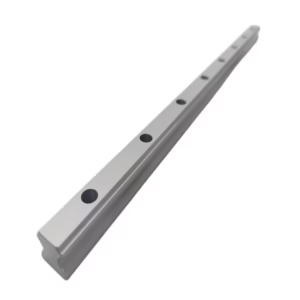
Linear bearing slides may seem like small components, but their impact is massive. By enabling precision, reducing friction, and ensuring durability, they drive innovation in robotics, CNC machining, aerospace, and beyond. Their cost-effectiveness, energy efficiency, and adaptability make them essential in industries aiming for high productivity and sustainability.
As technology evolves, linear slides will only get smarter, more efficient, and more reliable—cementing their role as a cornerstone of modern engineering.
Suggestions for Internal & External Links
Inbound Links:
Guide to CNC Machine Precision
Advantages of Bearings in Robotics
Industrial Automation Efficiency Tips
Outbound Links: