

Outline for “Linear Guide Ways”
| Main Topic | Subtopics |
|---|---|
| Introduction to Linear Guide Ways | Importance in modern machinery |
| What are Linear Guide Ways? | Definition, core components |
| The Role of Linear Guide Ways in CNC Machines | Why precision depends on them |
| Types of Linear Guide Ways | Roller, ball, flat guide ways |
| Ball vs Roller Linear Guide Ways | Differences, use cases, pros and cons |
| Flat vs Linear Guide Ways | Traditional vs modern systems |
| Main Components of Linear Guide Ways | Rails, carriages, rolling elements, seals |
| How Linear Guide Ways Work | Principles of rolling and sliding |
| Advantages of Linear Guide Ways | Rigidity, low friction, accuracy |
| Applications of Linear Guide Ways | CNCs, robotics, medical equipment |
| Linear Guide Ways in High-Speed Machining | Vibration control, smooth motion |
| Durability Factors of Linear Guide Ways | Lubrication, load, operating environment |
| Common Problems with Linear Guide Ways | Misalignment, wear, contamination |
| Installation of Linear Guide Ways | Best practices, step-by-step |
| Maintenance of Linear Guide Ways | Cleaning, lubrication, inspection |
| Lubrication in Linear Guide Ways | Grease vs oil, automatic systems |
| Signs Linear Guide Ways Need Replacement | Noise, accuracy loss, wear |
| Linear Guide Ways vs Other Bearing Systems | Cost, precision, lifespan |
| Top Brands for Linear Guide Ways | Hiwin, THK, NSK, Bosch Rexroth |
| How to Choose the Right Linear Guide Ways | Load, speed, environment factors |
| Future of Linear Guide Ways | Smart sensors, self-lubrication |
| Case Studies of Linear Guide Ways | Real-world applications |
| Linear Guide Ways in Industrial Automation | Robotics, conveyors, packaging |
| Frequently Asked Questions about Linear Guide Ways | At least six FAQs |
| Conclusion | Summary and expert insights |
Introduction to Linear Guide Ways
In precision manufacturing, nothing matters more than accuracy, speed, and reliability. Linear guide ways make these three factors possible. Acting as the backbone of CNC machines and automation systems, they enable controlled linear motion with low friction. Without them, tasks like high-speed milling, robotic arms, or delicate medical equipment would lose their efficiency and precision.
What are Linear Guide Ways?
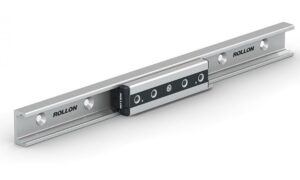
Linear guide ways are motion components designed to provide straight-line movement. They consist of:
Guide rails: Hardened tracks that define motion paths.
Carriages (blocks): Sliding units that hold rolling elements.
Rolling elements: Balls or rollers that reduce friction.
Seals and lubrication systems: Keep contaminants out.
These systems outperform traditional sliding guide ways by offering smoother motion and longer lifespan.
The Role of Linear Guide Ways in CNC Machines
In CNC machining, precision is everything. Linear guide ways:
Keep the tool path stable.
Allow higher cutting speeds.
Ensure consistent repeatability.
Without them, CNC machines would face vibration issues, poor surface finishes, and reduced tool life.
Types of Linear Guide Ways
Ball Guide Ways: Lightweight, efficient, ideal for fast-moving machines.
Roller Guide Ways: Handle heavier loads, more rigid.
Flat Guide Ways: Traditional style, good damping but less efficient.
The choice depends on load requirements and application needs.
Ball vs Roller Linear Guide Ways
Ball Guide Ways: Lower friction, higher speed, but less rigid.
Roller Guide Ways: Superior load capacity, better for heavy-duty CNCs.
Ball types are common in 3D printers and lightweight automation, while rollers dominate in machining centers.
Flat vs Linear Guide Ways
Traditional flat guide ways rely on sliding motion, offering good vibration damping but high friction. In contrast, modern linear guide ways use rolling motion, reducing friction and increasing accuracy.
Main Components of Linear Guide Ways
Rails: Define movement.
Carriages: Move along the rails.
Rolling Elements: Transfer loads smoothly.
Seals and Lubrication Ports: Extend service life.
Each component plays a vital role in efficiency.
How Linear Guide Ways Work
Rolling elements circulate inside the carriage while the block moves along the rail. This rolling action drastically reduces friction, distributes loads evenly, and ensures precise motion.
Advantages of Linear Guide Ways
Low friction and high speed.
Excellent rigidity for heavy loads.
Longer lifespan with proper lubrication.
High positioning accuracy.
They make modern machines faster, stronger, and more precise.
Applications of Linear Guide Ways
CNC Machines – milling, turning, drilling.
Robotics – smooth robotic arm movement.
Medical Devices – precise surgical tools.
3D Printing – accurate layer-by-layer printing.
Packaging Machines – efficient automation.
Their use spans across industries.
Linear Guide Ways in High-Speed Machining
At high speeds, vibrations and inaccuracies can ruin operations. Linear guide ways help maintain:
Stability at high feed rates.
Reduced chatter for clean surfaces.
Long tool life due to steady motion.
Durability Factors of Linear Guide Ways
Longevity depends on:
Lubrication quality.
Load management.
Operating conditions (dust, coolant, temperature).
With preventive care, they last for thousands of operational hours.

Common Problems with Linear Guide Ways
Misalignment causing uneven wear.
Contamination damaging rolling elements.
Lubrication failure increasing friction.
Routine checks can prevent these issues.
Installation of Linear Guide Ways
Steps include:
Clean and align surfaces.
Secure rails with gradual tightening.
Install carriages carefully.
Test for smooth movement.
Proper installation guarantees accuracy.
Maintenance of Linear Guide Ways
Clean regularly.
Reapply lubrication as per schedule.
Inspect for noise or stiffness.
Replace seals if worn.
Preventive maintenance boosts reliability.
Lubrication in Linear Guide Ways
Options include:
Grease: Long-lasting, heavy-duty use.
Oil: Suitable for high-speed machines.
Automatic systems: Provide continuous lubrication.
Correct lubrication prevents breakdowns.
Signs Linear Guide Ways Need Replacement
Grinding noises.
Decreased machining accuracy.
Jerky motion.
Visible rust or wear.
Replacing worn parts prevents costly downtime.
Linear Guide Ways vs Other Bearing Systems
Compared to sliding systems:
Lower friction.
Higher speed.
Longer service life.
They are superior in almost every aspect.
Top Brands for Linear Guide Ways
Hiwin – affordable, reliable.
THK – high-precision.
NSK – known for durability.
Bosch Rexroth – widely used in automation.
Each caters to different needs.
How to Choose the Right Linear Guide Ways
Consider:
Load and speed requirements.
Environmental conditions.
Maintenance preferences.
Budget and brand.
Right choice ensures peak performance.
Future of Linear Guide Ways
Emerging trends include:
Smart sensors for wear detection.
Self-lubricating materials.
Eco-friendly coatings.
Lightweight alloys for faster machines.
Innovation will enhance efficiency further.
Case Studies of Linear Guide Ways
Automotive Industry: Precision in engine part manufacturing.
Healthcare: Miniature guide ways in surgical tools.
Woodworking: Smooth routing and carving.
Real-world use showcases their versatility.
Linear Guide Ways in Industrial Automation
Robotics and conveyors rely on guide ways for smooth and repeatable motion. In packaging, they ensure consistency and speed.
Frequently Asked Questions about Linear Guide Ways
What are linear guide ways used for?
They enable precise linear motion in CNCs, robots, and automation systems.
How long do linear guide ways last?
With maintenance, they last thousands of hours.
Which is better: ball or roller guide ways?
Ball types are faster, roller types handle heavier loads.
Do linear guide ways need lubrication?
Yes, lubrication is critical to prevent wear.
Can I install linear guide ways myself?
Yes, but correct alignment is essential.
Which brands make the best linear guide ways?
Hiwin, THK, NSK, and Bosch Rexroth are top options.
Conclusion
Linear guide ways are the unsung heroes of precision engineering. From CNC machining to robotics and medical devices, they ensure accuracy, durability, and efficiency. By choosing the right type, maintaining them properly, and watching for signs of wear, industries can achieve higher productivity and reliability.
As smart and self-lubricating designs emerge, linear guide ways will continue to drive innovation in precision manufacturing.