

Outline for “Linear Bearing Rails”
| Main Topic | Subtopics |
|---|---|
| Introduction to Linear Bearing Rails | Overview, why they matter in engineering |
| What are Linear Bearing Rails? | Structure, core components, function |
| Importance of Linear Bearing Rails in Industry | Accuracy, efficiency, reduced downtime |
| Types of Linear Bearing Rails | Profile rails, round rails, miniature rails |
| Profile vs Round Linear Bearing Rails | Differences, pros, and cons |
| Components of Linear Bearing Rails | Rails, carriages, rolling elements, seals |
| How Linear Bearing Rails Work | Principles of rolling vs sliding friction |
| Advantages of Linear Bearing Rails | Rigidity, smooth motion, durability |
| Applications of Linear Bearing Rails | CNC machines, robotics, medical devices |
| Linear Bearing Rails in High-Speed Applications | Handling speed and vibrations |
| Durability Factors of Linear Bearing Rails | Load capacity, lubrication, environment |
| Common Issues with Linear Bearing Rails | Wear, misalignment, contamination |
| How to Install Linear Bearing Rails Properly | Step-by-step guide |
| Best Practices for Maintaining Linear Bearing Rails | Cleaning, lubrication, inspection |
| Linear Bearing Rail Lubrication | Oil vs grease, systems for application |
| Signs Your Linear Bearing Rails Need Replacement | Noise, uneven movement, accuracy loss |
| Linear Bearing Rails vs Traditional Bearings | Performance, efficiency, longevity |
| Cost Factors of Linear Bearing Rails | Price, ROI, brand impact |
| Top Brands for Linear Bearing Rails | Hiwin, THK, NSK, Bosch Rexroth |
| Choosing the Right Linear Bearing Rails | Factors to consider for selection |
| Future of Linear Bearing Rails | Smart monitoring, self-lubricating designs |
| Case Studies of Linear Bearing Rails | Real-world industrial uses |
| Linear Bearing Rails in CNC Technology | Role in precision machining |
| Frequently Asked Questions about Linear Bearing Rails | Six FAQs with answers |
| Conclusion | Final insights and summary |
Introduction to Linear Bearing Rails
Every precision machine has a hidden hero—linear bearing rails. They ensure smooth, friction-free motion, making high-speed, high-accuracy tasks possible. Imagine a CNC machine cutting without stability or a 3D printer creating layers without precise movement—it would be chaos. Linear bearing rails solve this problem by providing rigid, precise, and reliable linear motion.
From robotics and automation to medical equipment and woodworking, these rails are the backbone of motion systems. This article dives deep into everything you need to know about linear bearing rails—types, benefits, problems, installation, and future trends.
What are Linear Bearing Rails?
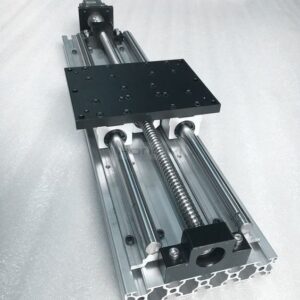
At their core, linear bearing rails are mechanical components that allow smooth and controlled straight-line motion. They consist of:
Rail (track): Hardened steel guide that provides the path.
Carriage (block): Moves along the rail while carrying loads.
Rolling elements: Balls or rollers that reduce friction.
Seals and lubrication ports: Keep contaminants out and ensure smooth operation.
These rails are designed to handle heavy loads while maintaining accuracy, making them essential in modern manufacturing.
Importance of Linear Bearing Rails in Industry
Industries rely on linear bearing rails for:
Accuracy: Essential for micrometer-level precision in CNC machining.
Efficiency: Smooth motion means faster production cycles.
Reduced downtime: Durable rails minimize maintenance interruptions.
In essence, they enhance performance, reduce costs, and ensure consistent output.
Types of Linear Bearing Rails
Different applications require different rails:
Profile Rails (Square Rails): High rigidity and load capacity, perfect for CNCs.
Round Rails: Flexible mounting, cost-effective, used in automation.
Miniature Rails: Compact, used in medical devices and electronics.
Choosing the right type depends on load, space, and precision needs.
Profile vs Round Linear Bearing Rails
Profile Rails: Offer higher rigidity, handle both radial and axial loads, best for heavy-duty tasks.
Round Rails: Easier installation, cheaper, good for lighter applications.
Profile rails dominate in CNC machining, while round rails shine in simpler automation systems.
Components of Linear Bearing Rails
The main parts include:
Rail: Provides the path of motion.
Carriage: Houses rolling elements and bears loads.
Rolling Elements: Steel balls or rollers reduce friction.
Seals: Prevent dust and debris entry.
Lubrication Ports: Extend service life.
Each component plays a critical role in performance.
How Linear Bearing Rails Work
The principle is simple—rolling instead of sliding. Rolling elements inside the carriage circulate as the block moves, distributing loads evenly and reducing wear. This ensures smooth, accurate motion over thousands of hours.
Advantages of Linear Bearing Rails
Why use linear bearing rails?
High Rigidity: Handles heavy loads with stability.
Smooth Motion: Essential for precision machining.
Durability: Long service life with proper maintenance.
Low Friction: Improves efficiency and reduces energy costs.
They outperform traditional sliding systems in almost every aspect.
Applications of Linear Bearing Rails
You’ll find them in:
CNC Milling Machines – for cutting accuracy.
Robotics – enabling precise automation.
Medical Devices – ensuring reliability in surgical tools.
3D Printers – smooth motion for layer precision.
Laser Cutting Machines – vibration-free accuracy.
Their versatility makes them indispensable.
Linear Bearing Rails in High-Speed Applications
High-speed operations require stability. Linear bearing rails reduce vibrations, maintain accuracy, and allow machines to operate at top speeds without sacrificing precision.
Durability Factors of Linear Bearing Rails
Durability depends on:
Load Capacity – Overloading shortens lifespan.
Lubrication – Prevents wear and corrosion.
Operating Environment – Dust, coolant, and temperature affect performance.
With care, they can last for years.
Common Issues with Linear Bearing Rails
Misalignment – Causes uneven wear.
Contamination – Dust and chips damage rolling elements.
Lubrication Failure – Increases friction and wear.
Addressing these issues early prevents major breakdowns.
How to Install Linear Bearing Rails Properly
Correct installation ensures peak performance:
Clean mounting surfaces.
Align rails carefully.
Secure bolts gradually in sequence.
Mount carriage smoothly.
Test for friction-free motion.
Poor installation leads to accuracy loss.
Best Practices for Maintaining Linear Bearing Rails
Regular cleaning to remove debris.
Proper lubrication at set intervals.
Inspect seals for damage.
Check for unusual noises or rough movement.
Preventive maintenance increases productivity.

Linear Bearing Rail Lubrication
Lubrication is essential. Options include:
Grease: Long-lasting, best for heavy-duty work.
Oil: Suited for high-speed applications.
Automated lubrication systems are becoming more common in industrial setups.
Signs Your Linear Bearing Rails Need Replacement
Look out for:
Grinding noises.
Reduced machining accuracy.
Increased resistance during movement.
Visible wear or rust.
Timely replacement prevents production losses.
Linear Bearing Rails vs Traditional Bearings
Unlike traditional sliding bearings, linear bearing rails:
Have lower friction.
Offer higher precision.
Last longer under heavy loads.
They are a clear upgrade for precision applications.
Cost Factors of Linear Bearing Rails
Cost depends on:
Type (profile, round, miniature).
Load capacity.
Brand and material.
While initial costs may be higher, the ROI is strong due to longer service life.
Top Brands for Linear Bearing Rails
Some trusted names include:
Hiwin – Affordable and reliable.
THK – High-end precision.
NSK – Known for durability.
Bosch Rexroth – Preferred in automation.
Each offers different strengths depending on budget and use.
Choosing the Right Linear Bearing Rails
Consider:
Load requirements.
Operating environment.
Precision needed.
Maintenance preferences.
Right selection ensures reliability and efficiency.
Future of Linear Bearing Rails
The future includes:
Smart Rails with sensors for wear detection.
Self-lubricating systems to reduce maintenance.
Eco-friendly materials for sustainability.
Technology will only make them more efficient.
Case Studies of Linear Bearing Rails
Automotive Industry: Used in precision machining for engine parts.
Medical Equipment: Miniature rails ensure accuracy in surgical tools.
Woodworking Machines: Smooth rails allow detailed carving.
Real-world success stories show their vital role.

Linear Bearing Rails in CNC Technology
CNC machines rely on linear bearing rails to achieve precision and repeatability. Without them, modern machining would be impossible. They allow fast feed rates, tight tolerances, and long-term accuracy.
Frequently Asked Questions about Linear Bearing Rails
What are linear bearing rails used for?
They provide precise linear motion in machines like CNCs, robots, and 3D printers.
How long do linear bearing rails last?
With proper care, they last thousands of hours.
Which is better: profile or round rails?
Profile rails offer rigidity, while round rails are cheaper and easier to install.
Do linear bearing rails need lubrication?
Yes, lubrication prevents wear and ensures smooth operation.
Can I replace linear bearing rails myself?
Yes, but alignment and installation must be precise.
Which brands are best for linear bearing rails?
Hiwin, THK, NSK, and Bosch Rexroth are leading options.
Conclusion
Linear bearing rails may look simple, but they are the backbone of precision engineering. From CNC machining to robotics and medical equipment, they ensure smooth, accurate, and durable performance.
By choosing the right type, maintaining them properly, and keeping an eye on wear, industries can extend machine life and improve output quality. The future promises even smarter, more efficient rails, making them indispensable in modern technology.