

Outline for the Article on Linear Track System
| Main Topic | Subtopics |
|---|---|
| Introduction to Linear Track System | What is a linear track system?, Why it matters in automation, Evolution of linear motion systems |
| Fundamentals of Linear Track System | Structure and components, Types of track systems, How it differs from rails and guides |
| Working Principle | Motion along a defined path, Rolling vs sliding mechanisms, Load distribution methods |
| Types of Linear Track Systems | Ball-type track systems, Roller-type track systems, Compact track systems, Heavy-duty track systems |
| Components of Linear Track Systems | Tracks, Carriages, Rolling elements, Mounting hardware, Drive systems |
| Advantages of Linear Track System | High precision, Load-bearing capacity, Energy efficiency, Smooth and consistent travel |
| Applications of Linear Track System | CNC machining, Robotics, Packaging industry, Medical technology, Transportation systems |
| Selecting the Right Linear Track System | Load requirements, Speed and accuracy needs, Space and design constraints |
| Installation Guidelines | Mounting process, Alignment techniques, Common mistakes during setup |
| Maintenance Practices | Cleaning procedures, Lubrication schedule, Wear prevention |
| Troubleshooting Issues | Noisy movement, Uneven motion, Misalignment, Overheating problems |
| Linear Track System in CNC Machines | Importance in tool positioning, Accuracy in cutting, Reducing vibration |
| Linear Track System in Robotics | High-speed robotic arms, Collaborative robots, Precision assembly lines |
| Linear Track System in 3D Printing | Enhancing print quality, Minimizing backlash, Lightweight solutions |
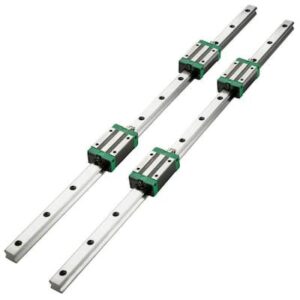
| Linear Track System vs Linear Rail | Structural differences, Strengths and weaknesses, Cost-effectiveness |
| Innovations in Linear Track Systems | Self-lubricating solutions, Smart monitoring sensors, Next-gen materials |
| Durability and Lifespan | Factors affecting longevity, Proper usage tips, Warranty considerations |
| Safety Aspects | Preventing load failures, Safe installation, Protective measures |
| Global Market Outlook | Demand in automation, Adoption in healthcare and logistics, Future industry trends |
| Environmental Adaptability | Use in dusty conditions, Corrosion resistance, Cleanroom compatibility |
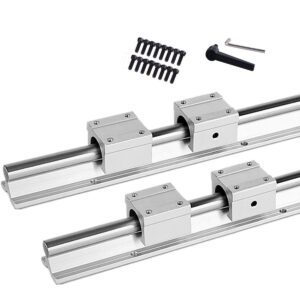
| DIY and Maker Uses | Affordable track systems, CNC hobby projects, Camera sliders |
| Case Studies | Automotive manufacturing, Aerospace technology, Electronics production |
| Cost Considerations | Budget vs premium systems, Long-term return on investment |
| Future of Linear Track Systems | AI-powered track systems, Nanotechnology applications, Lightweight composites |
| FAQs | Six common questions with detailed answers |
| Conclusion | Key takeaways on the role of linear track systems |
Introduction to Linear Track System
In the age of automation, precision, and efficiency, the linear track system has emerged as a cornerstone of modern engineering. Whether it’s a CNC machine carving metal, a robotic arm assembling electronics, or a 3D printer building intricate designs, the linear track ensures accurate, smooth, and reliable movement.
The shift from older sliding mechanisms to advanced rolling and guided systems has revolutionized industries. Linear track systems provide consistent motion, reduce friction, and distribute loads effectively, making them indispensable in manufacturing, healthcare, and robotics.
Linear Track System
At its simplest, a linear track system consists of a track (the guiding path) and a carriage (the moving component) that enables linear motion. Unlike traditional bearings or wheels, these systems are engineered for extreme accuracy and durability.
They are designed to handle both radial and axial loads, ensuring stability and minimal deflection under stress. Because of their versatility, linear track systems are found everywhere—from precision CNC machining to packaging systems that run non-stop.
Fundamentals of Linear Track System
Understanding the basics of a linear track system requires exploring its structure and working components:
Track: The guiding pathway, often made of hardened steel or aluminum.
Carriage: The moving unit that holds loads or tools.
Rolling Elements: Steel balls or rollers that minimize friction.
Drive Mechanism: Belt, screw, or motor systems that propel the carriage.
Unlike simpler motion setups, a linear track system offers greater stability and repeatability, making it essential in industries where precision is non-negotiable.
Working Principle
The system works by guiding the carriage along the track with rolling elements. As the carriage moves, the rolling elements recirculate, ensuring continuous smooth travel.
Two main principles apply:
Rolling Contact: Minimizes friction, increasing efficiency.
Load Distribution: Multiple contact points ensure the load spreads evenly across the track.
This principle makes it possible to achieve micrometer-level accuracy, even under heavy loads and high speeds.
Types of Linear Track Systems
Depending on application, there are several kinds of linear track systems:
Ball-Type Systems: Use recirculating ball bearings for smooth, precise motion.
Roller-Type Systems: Employ cylindrical rollers for higher load capacity and rigidity.
Compact Systems: Designed for lightweight, space-limited applications.
Heavy-Duty Systems: Built to carry large loads in manufacturing and logistics.
Each type has trade-offs in speed, load capacity, and precision.
Components of Linear Track Systems
Every system has key elements:
Track Rails: Precision-ground guides for the carriage.
Carriages (blocks): Moving parts that hold the load.
Rolling Elements: Balls or rollers that move within the carriage.
Drive Systems: Lead screws, belts, or motors to power motion.
Seals and Lubrication Ports: Ensure durability by keeping contaminants out.
The synergy of these components ensures long-term performance.
Advantages of Linear Track System
Industries favor linear track systems because of several unique benefits:
High Precision: Reliable positioning with minimal error.
Load Handling: Capable of managing heavy vertical and horizontal forces.
Low Friction: Less energy wasted during movement.
Rigidity: Prevents vibration and ensures stability during operation.
Consistency: Smooth and repeatable movement critical for automation.
These advantages set linear tracks apart from traditional motion systems.

Applications of Linear Track System
The versatility of linear track systems makes them vital across industries:
CNC Machines: Deliver precise positioning for milling, drilling, and cutting.
Robotics: Allow smooth, repeatable movements in robotic arms.
Packaging Industry: Ensure high-speed, reliable conveyor motion.
Medical Technology: Used in diagnostic machines and surgical robots.
Transportation Systems: Enable precise sliding doors and automated systems.
No matter the field, linear track systems provide reliability and accuracy.
Selecting the Right Linear Track System
When selecting a linear track system, consider:
Load Requirements: Heavy-duty tasks need roller systems.
Speed and Accuracy: High-speed applications require precision ball-track systems.
Environment: Dusty or corrosive environments call for sealed or coated systems.
Space Constraints: Compact systems are best for tight spaces.
Budget: Balance between affordability and long-term performance.
Choosing the right system avoids unnecessary wear and downtime.
Installation Guidelines
Installing a linear track system requires accuracy:
Surface Preparation: Ensure a clean, flat, and rigid base.
Rail Mounting: Use precise alignment and torque sequences.
Carriage Installation: Slide gently to avoid damaging rolling elements.
Parallelism Checks: Confirm tracks are aligned to prevent binding.
Final Testing: Verify smooth carriage motion across the track.
Proper installation guarantees performance and longevity.
Maintenance Practices
Like any mechanical system, maintenance is key:
Regular Cleaning: Remove dust and contaminants.
Lubrication: Follow the recommended schedule with grease or oil.
Inspections: Monitor preload, wear patterns, and alignment.
Replacement: Swap out worn components early to prevent damage.
Routine care extends the life of the system and avoids costly repairs.
Troubleshooting Issues
Common issues in linear track systems include:
Noisy Movement: Often caused by insufficient lubrication.
Uneven Motion: May indicate misalignment or contamination.
Overheating: Caused by overloading or poor lubrication.
Excessive Wear: Usually linked to improper installation.
Quick troubleshooting ensures smooth operation.
Linear Track System in CNC Machines
In CNC systems, linear track systems provide:
Accurate Tool Movement: Essential for detailed cutting and milling.
Reduced Vibration: Improves surface finish and tool life.
Stability: Allows machines to handle high-speed cutting safely.
This makes them the backbone of precision machining.
Linear Track System in Robotics
Robotics demand flexibility and accuracy, both enabled by linear tracks:
Collaborative Robots: Safe, smooth axis motion.
Industrial Arms: Repeatable, high-speed tasks.
Assembly Lines: Precision handling in electronics and automotive industries.
Without linear tracks, robotic accuracy would suffer.
Linear Track System in 3D Printing
For 3D printing, linear track systems ensure:
Smooth Layering: Reduces backlash and wobble.
Consistent Accuracy: Ensures the final print matches the digital design.
Lightweight Options: Compact tracks improve printer portability.
They are a game-changer for both hobbyists and industrial 3D printing.
Linear Track System vs Linear Rail
While often confused, they differ significantly:
| Feature | Linear Track System | Linear Rail |
|---|---|---|
| Structure | Full guiding track with drive system | Single rail with carriage |
| Load Capacity | Higher in heavy-duty systems | Moderate to high |
| Precision | Extremely accurate | Very accurate |
| Cost | Typically higher | Often lower |
| Applications | Robotics, automation, CNC | CNC, 3D printing, automation |
Both are essential, depending on application needs.
Innovations in Linear Track Systems
New technologies continue to enhance linear track systems:
Self-Lubricating Solutions: Reduce maintenance needs.
Smart Sensors: Provide predictive maintenance alerts.
Next-Gen Materials: Lightweight composites for high strength.
These innovations are driving automation into the future.
Durability and Lifespan
Durability depends on:
Proper Load Management
Consistent Lubrication
Correct Installation
Environmental Protection
Well-maintained systems often last tens of thousands of operational hours.
Safety Aspects
To ensure safety:
Avoid exceeding load ratings.
Install protective covers in dusty areas.
Train operators in safe handling practices.
Use manufacturer-recommended installation processes.
Safety ensures both longevity and operator protection.
Global Market Outlook
The global demand for linear track systems is expanding due to:
Increased automation in manufacturing.
Growing adoption in healthcare devices.
Rising demand in logistics and warehousing.
The future outlook shows strong growth driven by Industry 4.0.
Environmental Adaptability
Linear track systems are adaptable to tough conditions:
Dust Protection: Sealed systems for industrial environments.
Corrosion Resistance: Coatings for marine or outdoor use.
Cleanroom Use: Specialized systems for medical and semiconductor industries.
This adaptability makes them versatile across industries.
DIY and Maker Uses
Even hobbyists use linear track systems in:
DIY CNC routers.
3D printers.
Camera sliders and motion rigs.
Affordable options allow makers to achieve professional-grade precision.
Case Studies
Automotive Industry: Robotic welding powered by linear track systems.
Aerospace: Precision drilling and assembly using guided tracks.
Electronics: High-speed robotic arms assembling delicate circuits.
These real-world uses showcase their reliability.
Cost Considerations
Cost factors include:
Budget Models: Ideal for DIY and light applications.
Premium Systems: Designed for heavy-duty and high-precision industries.
Return on Investment: Premium systems often reduce downtime and long-term costs.
Choosing wisely balances cost and performance.
Future of Linear Track Systems
The future points toward smarter, lighter, and more efficient designs:
AI-Powered Maintenance: Predictive alerts for servicing.
Nanotechnology: Ultra-precise manufacturing.
Composite Materials: Stronger yet lighter track systems.
These advances will redefine automation possibilities.
FAQs
What is a linear track system used for?
It provides precise, smooth, and repeatable motion for CNC machines, robotics, and automation.
How long do linear track systems last?
With proper care, they can operate for tens of thousands of hours.
Do linear tracks require lubrication?
Yes, lubrication is essential to reduce wear and maintain smooth travel.
What is the difference between a linear track and a linear rail?
Tracks are complete guided systems, while rails are simpler guiding components.
Can linear track systems be used outdoors?
Yes, if they have corrosion-resistant coatings and weather protection.
Are linear track systems expensive?
They range from affordable hobbyist models to high-end industrial systems.
Conclusion
The linear track system is more than just a motion component—it is the backbone of precision engineering and automation. From CNC machining to robotics and beyond, it ensures accuracy, reliability, and efficiency.
As industries continue to evolve, linear track systems will play an even greater role in shaping automation and precision technologies. Investing in the right system means investing in long-term performance, safety, and innovation.
Inbound Link Suggestions:
Guide on CNC machine automation
Blog on robotics in manufacturing
Article about 3D printing precision systems