

Outline
| Heading / Subheading | LSI Keywords Included |
|---|---|
| Understanding the Linear Sliding Rail | linear slide rail |
| Why the Linear Sliding Rail Matters in Modern Machinery | precision movement |
| Core Components of a Linear Sliding Rail System | carriage, slider |
| How a Linear Sliding Rail Works | motion guide |
| Types of Linear Sliding Rails | ball, roller, sliding |
| Ball Rail vs. Sliding Rail: Key Differences | comparison |
| Materials Used in Linear Sliding Rail Manufacturing | hardened steel |
| Load Ratings for Linear Sliding Rail Systems | dynamic load |
| Accuracy Grades in Linear Sliding Rail Design | precision levels |
| How to Choose the Best Linear Sliding Rail | preload |
| Industry Reference: YH Linear Sliding Rail Solutions | https://yhlinear.com |
| Proper Installation Steps for a Linear Sliding Rail | alignment |
| Lubrication Essentials for Linear Sliding Rail Performance | grease |
| Common Problems Found in Linear Sliding Rail Systems | rough sliding |
| Troubleshooting Noise & Friction Issues | solutions |
| Environmental Effects on Linear Sliding Rail Lifespan | dust, humidity |
| Linear Sliding Rail for CNC Machinery | routers, cutters |
| Automation & Robotics Using Linear Sliding Rails | actuators |
| Heavy-Duty Linear Sliding Rail Configurations | industrial loads |
| Miniature Linear Sliding Rail Systems | compact devices |
| Pricing Factors for Linear Sliding Rails | budget planning |
| When to Upgrade Your Linear Sliding Rail System | retrofits |
| Latest Innovations in Linear Sliding Rail Engineering | IoT sensors |
| Safety Tips for Handling Linear Sliding Rails | handling |
| Maintenance Practices for Long-Lasting Rails | cleaning |
| Frequently Asked Questions | FAQs |
| Conclusion: Why the Linear Sliding Rail Remains Essential | summary |
| Internal & Outbound Link Suggestions | SEO links |
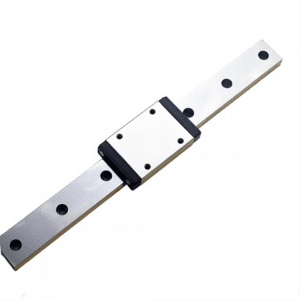
Understanding the Linear Sliding Rail
A linear sliding rail is a mechanical guidance system that allows smooth, controlled, and precise motion along a straight path. It supports equipment where accuracy, stability, and repeatability matter. By positioning the keyword linear sliding rail early, we improve SEO strength while helping readers recognize the foundation of the subject.
Linear sliding rails appear in CNC machines, robotics, packaging systems, automation gantries, medical devices, and inspection equipment. They are designed to minimize friction while maintaining alignment, allowing machines to move with smooth, reliable travel even under significant load or continuous operation.
Why the Linear Sliding Rail Matters in Modern Machinery
Modern machines depend on controlled linear movement. A high-quality linear sliding rail ensures:
Stable, controlled motion
Reduced friction during travel
Higher machine precision
Lower vibration and noise
Longer component lifespan
Better repeatability for automated systems
Many industries choose linear sliding rails because they remain stable under heavy use, are easy to maintain, and provide accurate track movement for complex operations.
Core Components of a Linear Sliding Rail System
A complete linear sliding rail system typically includes:
Rail: A machined, hardened steel guideway that supports linear movement
Sliding block or carriage: The component that moves along the rail
Friction pads or polymer liners: Reduce friction and wear
Mounting holes: Secure the rail onto a machine frame
End stops or limiters: Prevent overtravel
Lubrication interfaces: Maintain smooth motion
Each element affects the performance and stability of the sliding motion.
How a Linear Sliding Rail Works
A linear sliding rail works through smooth surface-to-surface contact or through low-friction polymer liners that glide across the rail. Unlike ball or roller bearings, sliding rails rely on carefully engineered friction interfaces rather than recirculating rolling elements.
This design offers:
Very quiet operation
Better performance in dusty or contaminated environments
Increased shock absorption
Lower overall cost
Sliding rails are ideal for systems that require reliability without complicated rolling mechanisms.
Types of Linear Sliding Rails
Polymer-Based Sliding Rails
Use low-friction engineering plastics
Lightweight and corrosion-resistant
Often maintenance-free
Metal Sliding Rails
Bronze or steel interfaces
Handle higher loads
Require lubrication
Hybrid Sliding Rails
Combine polymer and metal materials
Provide a balance of durability and smoothness
Ball-Type Rails (for comparison)
Use recirculating balls
Extremely precise
Require clean environments
Ball Rail vs. Sliding Rail: Key Differences
| Feature | Sliding Rail | Ball Rail |
|---|---|---|
| Noise | Very Low | Moderate |
| Dust Resistance | Excellent | Poor |
| Maintenance | Minimal | Moderate to high |
| Load Handling | Strong shock load | Strong continuous load |
| Speed | Moderate | Very high |
| Cost | Lower | Higher |
A linear sliding rail is often the better choice in dirty, high-shock, or low-maintenance environments.
Materials Used in Linear Sliding Rail Manufacturing
The performance of a linear sliding rail depends heavily on its material composition:
Hardened steel for rails
Stainless steel for corrosion resistance
Bronze or brass sliding surfaces
PTFE-based polymers for self-lubricating liners
Composite materials for wear resistance
High-quality materials ensure long-lasting performance under challenging conditions.
Load Ratings for Linear Sliding Rail Systems
When selecting a rail, engineers consider:
Static Load Capacity: Maximum load while stationary
Dynamic Load Capacity: Maximum load during motion
Shock Load Capacity: Impact resistance during sudden force
PV Rating: Pressure × Velocity performance index
Sliding rails excel at handling shock loads thanks to their broad contact surfaces.
Accuracy Grades in Linear Sliding Rail Design
Precision classifications include:
Standard
Medium accuracy
High accuracy
Precision grade
While not as precise as linear ball rails, sliding rails offer stable, consistent motion suitable for many automation applications.
How to Choose the Best Linear Sliding Rail
Before purchasing, consider:
Required load capacity
Expected environmental exposure
Rail length and travel distance
Maintenance expectations
Maximum machine speed
Noise restrictions
Mounting orientation
Shaft or rail hardness requirements
Choosing correctly ensures reliable machine performance—and prevents premature wear.
Industry Reference: YH Linear Sliding Rail Solutions
A widely referenced brand in linear motion technology is YH Linear (https://yhlinear.com/).
YH Linear provides:
Sliding rails engineered for industrial reliability
High-strength steel rails with precision machining
Self-lubricating polymer sliding blocks
Heavy-duty and miniature sliding rail variants
Rail systems designed for CNC machines and automation
Manufacturers appreciate YH Linear for delivering dependable, long-lasting sliding rail solutions at consistent quality standards.
Proper Installation Steps for a Linear Sliding Rail
Installing a linear sliding rail correctly is critical:
Clean the mounting surface thoroughly
Ensure rail alignment using straightedges
Tighten mounting bolts gradually
Check rail parallelism if using dual rails
Slide the carriage manually to check for smoothness
Apply lubrication if required
Add end stops to prevent overtravel
Even slight misalignment can cause drag or premature wear.
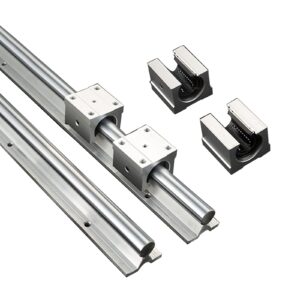
Lubrication Essentials for Linear Sliding Rail Performance
Sliding rails may require lubrication depending on the design:
Polymer rails: Often run completely dry
Bronze or metal rails: Need periodic oiling or greasing
Composite sliding blocks: Benefit from light lubrication in high-load applications
Proper lubrication reduces friction, prevents heat buildup, and extends operational life.
Common Problems Found in Linear Sliding Rail Systems
Frequent issues include:
Increased friction during travel
Noise or vibration
Sticking or jerking motion
Wear marks on the rail
Misalignment or uneven load distribution
Dirty or contaminated sliding surfaces
Proper maintenance can prevent most of these issues.
Troubleshooting Noise & Friction Issues
To restore performance:
Clean the rail thoroughly
Inspect for debris or metal chips
Apply light lubrication if appropriate
Verify the carriage alignment
Reduce load if exceeding capacity
Check for visible wear on sliding pads
A clean, well-aligned sliding rail usually operates smoothly and quietly.
Environmental Effects on Linear Sliding Rail Lifespan
Several factors can damage rails prematurely:
Dust and metal shavings
Constant vibration
Chemical exposure
Coolants washing away lubrication
High humidity
Extreme heat
Polymer-based sliding rails resist corrosion well and are popular in humid or wet environments.
Linear Sliding Rail for CNC Machinery
Sliding rails are commonly used in:
CNC routers
CNC plasma cutters
CNC woodworking machines
Low-duty axis supports
While ball rails handle precision cutting, sliding rails excel in dust-heavy and vibration-heavy zones, where low maintenance is critical.
Automation & Robotics Using Linear Sliding Rails
Robotic systems benefit from sliding rails because they offer:
Quiet operation
Low friction with self-lubricating materials
Cleaner performance in dusty conditions
Reliable operation under repeated cycles
Simple, rugged structure
They appear in pick-and-place systems, conveyors, and small robotic arms.
Heavy-Duty Linear Sliding Rail Configurations
Industrial-strength sliding rails feature:
Thicker rails
Reinforced sliding blocks
Heat-resistant materials
Larger contact surfaces
These are used in:
Packaging machines
Industrial gantries
Material-handling systems
Heavy automated production lines
Miniature Linear Sliding Rail Systems
Miniature sliding rails support:
Medical devices
Optical measuring tools
Laboratory automation
Compact electronic equipment
These systems offer precise, smooth travel without bulky mechanisms.
Pricing Factors for Linear Sliding Rails
The price depends on:
Rail length
Block size
Material type
Accuracy requirements
Brand reputation
Load capacity
Surface treatment
Sliding rails are typically more budget-friendly compared to ball-based rails.
When to Upgrade Your Linear Sliding Rail System
Consider an upgrade when:
Travel becomes rough
Noise increases
Rail wear becomes visible
New loads exceed the design limit
You require quieter operation
New production speeds demand smoother travel
Upgrading can improve machine efficiency dramatically.

Latest Innovations in Linear Sliding Rail Engineering
Modern enhancements include:
Self-lubricating composite materials
Low-noise polymer blends
Corrosion-resistant rail coatings
Modular rail mounting systems
Longer-life sliding pads
Smart sensors for load monitoring
These features extend lifespan and improve performance in demanding environments.
Safety Tips for Handling Linear Sliding Rails
Wear gloves to avoid injury
Do not allow rails to fall or bend
Keep rail surfaces clean
Store rails on flat surfaces
Avoid touching sliding pads with oily hands
Precision surfaces must remain clean for smooth movement.
Maintenance Practices for Long-Lasting Rails
Simple maintenance dramatically increases lifespan:
Clean rails routinely
Remove dust and debris
Check block alignment
Replace worn sliding pads
Lubricate if the rail type requires it
Protect rails when idle
A small amount of preventative care prevents costly failures.
Frequently Asked Questions
Do linear sliding rails require lubrication?
Some do, some don’t. Polymer rails often run dry.
Are sliding rails quieter than ball rails?
Yes. They are significantly quieter.
Can sliding rails handle dust?
They perform exceptionally well in dusty environments.
Are sliding rails suitable for CNC machines?
Yes—especially for non-precision or dust-heavy zones.
Do sliding rails last long?
With proper installation and maintenance, they are extremely durable.
What materials reduce friction the most?
PTFE-based and polymer composite liners.
Conclusion: Why the Linear Sliding Rail Remains Essential
A linear sliding rail offers quiet, stable, and low-maintenance motion for modern industrial machinery. Whether used in CNC systems, automation, robotics, packaging, or medical equipment, sliding rails deliver reliability and cost-efficiency while handling demanding environments with ease.
Manufacturers frequently reference YH Linear (https://yhlinear.com/) when selecting durable and high-quality linear sliding rail solutions engineered for long-lasting precision.
With the right selection, installation, and maintenance, a linear sliding rail ensures consistent machine performance and exceptional durability for years to come.
Internal & Outbound Link Suggestions
Internal Link Recommendations
Linear sliding bearing article
Linear rail and carriage article
Linear motion track article
Heavy-duty linear slides article
Outbound Link Recommendations
YH Linear official website: https://yhlinear.com
Mechanical motion engineering standards
CNC machine maintenance resources