

Outline
| Heading Level | Topic |
|---|---|
| H1 | Linear Slide Rail: 9 Powerful Benefits, Types, and Practical Applications |
| H2 | Introduction to Linear Slide Rail Systems |
| H3 | What Is a Linear Slide Rail? |
| H3 | Basic Concept of Linear Motion |
| H2 | How a Linear Slide Rail Works |
| H3 | Core Components of a Linear Slide Rail |
| H4 | Rail |
| H4 | Carriage or Slider Block |
| H4 | Rolling Elements |
| H4 | Seals and Lubrication |
| H2 | Types of Linear Slide Rail Systems |
| H3 | Ball Bearing Linear Slide Rails |
| H3 | Roller Linear Slide Rails |
| H3 | Dovetail Linear Slide Rails |
| H3 | Miniature Linear Guide Rails |
| H2 | Key Advantages of Using Linear Slide Rail Systems |
| H3 | High Precision Motion |
| H3 | High Load Capacity |
| H3 | Reduced Friction |
| H3 | Durability and Longevity |
| H2 | Industrial Applications of Linear Slide Rail |
| H3 | CNC Machines |
| H3 | Automation and Robotics |
| H3 | Medical Equipment |
| H3 | Packaging Machinery |
| H2 | How to Choose the Right Linear Slide Rail |
| H3 | Load Capacity |
| H3 | Speed Requirements |
| H3 | Environmental Conditions |
| H3 | Rail Length and Mounting |
| H2 | Installation Guide for Linear Slide Rail |
| H3 | Preparing the Mounting Surface |
| H3 | Aligning the Rail |
| H3 | Installing the Carriage |
| H2 | Maintenance and Lubrication |
| H3 | Regular Cleaning |
| H3 | Lubrication Practices |
| H3 | Inspection and Replacement |
| H2 | Common Problems and Troubleshooting |
| H3 | Noise or Vibration |
| H3 | Misalignment Issues |
| H3 | Wear and Tear |
| H2 | Future Trends in Linear Motion Technology |
| H3 | Smart Linear Rails |
| H3 | Integration with Industry 4.0 |
| H2 | Frequently Asked Questions |
| H2 | Conclusion |
Linear Slide Rail: 9 Powerful Benefits, Types, and Practical Applications
Introduction to Linear Slide Rail Systems
Modern machinery relies heavily on precise and smooth motion systems. One of the most important mechanical components enabling accurate movement is the linear slide rail. These devices guide motion along a straight path while minimizing friction and maximizing stability.
From advanced CNC machines to everyday automation equipment, linear slide rail systems play a vital role in improving efficiency, accuracy, and durability. Industries like manufacturing, robotics, medical equipment, and electronics production all rely on them to ensure high-precision movement.
In this article, we’ll explore how linear slide rails work, the different types available, their advantages, applications, installation, and maintenance practices.
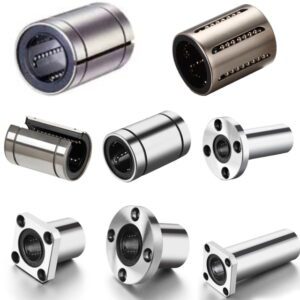
What Is a Linear Slide Rail?
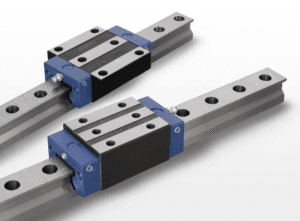
A linear slide rail is a mechanical guide system that allows components to move smoothly in a straight line with minimal friction. It consists of a rail and a sliding block or carriage that moves along the rail using rolling elements such as balls or rollers.
Unlike traditional sliding mechanisms that create high friction, linear rails use rolling contact to reduce resistance. This results in smoother motion, higher efficiency, and improved accuracy.
Basic Concept of Linear Motion
Linear motion refers to movement along a straight path. Machines often require controlled linear movement for tasks such as:
Cutting
Positioning
Measuring
Assembly
Material handling
Linear slide rail systems ensure that this movement remains stable and precise.
How a Linear Slide Rail Works
A linear slide rail system converts friction-heavy sliding motion into low-friction rolling motion. This design improves efficiency and reduces wear.
Core Components of a Linear Slide Rail
Rail
The rail is the fixed track mounted to a machine frame. It provides the pathway along which the carriage moves.
Carriage or Slider Block
The carriage moves along the rail and holds the load or equipment being moved.
Rolling Elements
Small balls or cylindrical rollers sit between the rail and carriage. These elements allow smooth rolling motion.
Seals and Lubrication
Seals prevent contaminants such as dust and debris from entering the system, while lubrication ensures smooth operation.
Types of Linear Slide Rail Systems
Different machines require different rail designs depending on load capacity, precision, and operating conditions.
Ball Bearing Linear Slide Rails
These are the most common types. They use ball bearings between the rail and carriage.
Advantages:
High speed
Low friction
Smooth motion
Common uses:
CNC machines
3D printers
Industrial automation
Roller Linear Slide Rails
Instead of balls, these rails use cylindrical rollers.
Benefits include:
Higher load capacity
Greater rigidity
Better shock resistance
These are often used in heavy industrial equipment.
Dovetail Linear Slide Rails
Dovetail rails rely on sliding contact rather than rolling elements.
Features:
Very strong
Excellent rigidity
Good vibration resistance
They are commonly used in machine tools.
Miniature Linear Guide Rails
Miniature rails are designed for compact devices.
Applications include:
Medical equipment
Semiconductor manufacturing
Small robotics systems
These rails provide precision motion in limited spaces.
Key Advantages of Using Linear Slide Rail Systems
Linear slide rail technology offers many advantages compared with traditional sliding mechanisms.
High Precision Motion
Linear rails provide extremely accurate positioning, which is essential for manufacturing processes such as CNC machining and semiconductor fabrication.
High Load Capacity
Modern linear slide rail systems can handle heavy loads while maintaining stability.
This makes them ideal for:
Industrial machines
Automated assembly systems
Robotics arms
Reduced Friction
Rolling elements significantly reduce friction. This leads to:
Lower energy consumption
Faster operation
Less wear
Durability and Longevity
High-quality rails are typically made from hardened steel, making them resistant to wear and corrosion.
Proper maintenance can allow a linear slide rail to last for many years.
Industrial Applications of Linear Slide Rail
Linear slide rails are used in many industries that require precise motion control.
CNC Machines
CNC machines use linear rails to guide cutting tools with extreme accuracy.
Automation and Robotics
Robotic arms and automated assembly lines rely on linear rails to move components precisely.
Medical Equipment
Medical imaging machines and surgical systems often require precise and smooth movement, making linear slide rails essential.
Packaging Machinery
High-speed packaging machines use linear rails to move products quickly and accurately during filling, sealing, and labeling processes.
How to Choose the Right Linear Slide Rail
Selecting the correct rail system depends on several factors.
Load Capacity
The rail must support the total weight of the moving components plus any external forces.
Speed Requirements
High-speed applications require rails with low friction and efficient lubrication systems.
Environmental Conditions
If the rail will operate in harsh environments (dust, moisture, chemicals), specialized materials or seals may be required.
Rail Length and Mounting
The rail length must match the machine’s movement range. Proper mounting ensures stability and alignment.
Installation Guide for Linear Slide Rail
Proper installation is essential for optimal performance.
Preparing the Mounting Surface
The mounting surface must be clean, flat, and rigid to ensure accurate alignment.
Aligning the Rail
Misalignment can cause excessive wear. Use precision measuring tools during installation.
Installing the Carriage
Carefully mount the carriage onto the rail to avoid damaging the rolling elements.
Maintenance and Lubrication
Regular maintenance ensures the long lifespan of a linear slide rail system.
Regular Cleaning
Dust and debris can damage rolling elements, so regular cleaning is important.
Lubrication Practices
Lubrication reduces friction and prevents corrosion. Manufacturers usually recommend specific lubricants.
Inspection and Replacement
Periodic inspections help detect early signs of wear or misalignment.
Common Problems and Troubleshooting
Noise or Vibration
This often indicates insufficient lubrication or contamination.
Misalignment Issues
Improper installation can cause uneven load distribution and rail damage.
Wear and Tear
Excessive load or poor maintenance may lead to premature wear.
Future Trends in Linear Motion Technology
Smart Linear Rails
Advanced sensors are being integrated into linear slide rails to monitor performance and predict maintenance needs.
Integration with Industry 4.0
Modern factories use connected systems that allow linear motion components to communicate with central control software.
This improves efficiency and reduces downtime.
Frequently Asked Questions
1. What is a linear slide rail used for?
A linear slide rail is used to guide precise linear motion in machines and equipment.
2. What materials are linear rails made from?
Most rails are made from hardened steel, stainless steel, or aluminum alloys.
3. How long do linear slide rails last?
With proper maintenance, they can last several years or even decades.
4. What is the difference between linear rails and linear bearings?
Linear rails are guide tracks, while linear bearings are components that move along them.
5. Do linear slide rails require lubrication?
Yes. Lubrication reduces friction and extends lifespan.
6. Can linear rails be used in dusty environments?
Yes, but they must include protective seals or covers.
Conclusion
The linear slide rail is a critical component in modern mechanical systems that require precise and smooth motion. From industrial machinery to advanced robotics, these systems provide accuracy, durability, and efficiency.
Understanding how linear slide rails work, their different types, and how to maintain them can help engineers and manufacturers select the best system for their applications.
For deeper technical insights into linear motion systems, you can explore engineering resources such as
https://yhlinear.com/