

In modern automation and mechanical systems, the linear bearing block is a critical component that ensures smooth, accurate, and efficient linear motion. Whether used in CNC machinery, robotics, or industrial automation, this compact yet powerful device plays a vital role in improving performance and reliability.
In this comprehensive guide, we’ll explore everything you need to know about linear bearing block systems, including how they work, their types, benefits, applications, and how to choose the best one for your needs.
What Is a Linear Bearing Block?
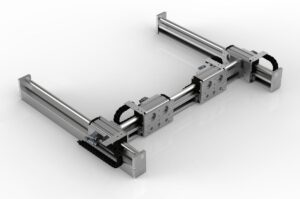
A linear bearing block (also known as a linear guide carriage) is a component that moves along a linear rail or shaft. It contains internal rolling elements—usually steel balls—that allow it to glide smoothly with minimal friction.
It works together with a guide rail to form a complete linear motion system.
How Does a Linear Bearing Block Work?
The operation of a linear bearing block is based on rolling motion instead of sliding friction.
Key Components
- Carriage Body – The main housing of the block
- Recirculating Balls – Provide smooth movement
- Guide Rail – Defines the motion path
- End Seals – Prevent dust and contamination
- Lubrication System – Ensures long-term performance
Working Principle
As the block moves along the rail, the balls circulate inside the carriage, reducing friction and allowing precise linear motion even under heavy loads.
8 Essential Benefits of Linear Bearing Block Systems
1. High Precision Motion
Designed for micron-level accuracy in demanding applications.
2. Low Friction Operation
Rolling elements minimize resistance and energy loss.
3. High Load Capacity
Supports heavy loads while maintaining smooth motion.
4. Long Service Life
Durable materials and design extend operational lifespan.
5. Smooth and Stable Movement
Reduces vibration and noise.

6. Easy Installation
Pre-engineered systems simplify setup.
7. Versatile Applications
Suitable for multiple industries and machines.
8. High Efficiency
Improves overall machine productivity.
Types of Linear Bearing Blocks
Different applications require different types of linear bearing block designs.
Standard Linear Bearing Block
- General-purpose use
- Suitable for most applications
Flange Linear Bearing Block
- Easier mounting
- Provides extra support
Heavy-Duty Linear Bearing Block
- Designed for high loads
- Ideal for industrial machinery
Miniature Linear Bearing Block
- Compact design
- Used in precision devices
Applications of Linear Bearing Block Systems
The linear bearing block is widely used across industries:
- CNC Machines – Precise tool positioning
- Automation Equipment – Smooth repetitive motion
- 3D Printers – Accurate layer movement
- Medical Devices – Quiet and reliable operation
- Packaging Machinery – Faster production cycles
👉 Explore high-quality solutions tailored for your applications:
https://yhlinear.com/product
How to Choose the Right Linear Bearing Block
Selecting the right linear bearing block is crucial for optimal performance.
Load Requirements
Consider both dynamic and static loads.
Precision Level
High-precision applications require tighter tolerances.
Rail Compatibility
Ensure the block matches the guide rail system.
Operating Environment
Choose sealed or corrosion-resistant models for harsh conditions.
Speed and Acceleration
High-speed applications need optimized designs.
For more technical details, refer to this authoritative resource:
👉 https://www.hiwin.com/products/linear-guideways/
Installation Tips for Linear Bearing Blocks
Proper installation ensures long-term performance:
- Align rails accurately
- Use proper mounting torque
- Apply lubrication before operation
- Avoid contamination during installation
Maintenance Best Practices
To extend the life of your linear bearing block:
- Perform regular lubrication
- Clean rails and blocks
- Inspect for wear and damage
- Replace seals when necessary
Linear Bearing Block vs Linear Bearing
| Feature | Linear Bearing Block | Linear Bearing |
|---|---|---|
| Structure | Carriage + Rail | Bearing Only |
| Load Capacity | Higher | Moderate |
| Precision | High | High |
| Application | Complex Systems | Simple Motion |
Future Trends in Linear Bearing Block Technology
The evolution of linear bearing block systems includes:
- Smart sensors for predictive maintenance
- Lightweight and corrosion-resistant materials
- Integration with Industry 4.0 systems
- Increased demand in robotics and automation
FAQs About Linear Bearing Block
1. What is a linear bearing block used for?
It is used to provide smooth and precise linear motion in machinery.
2. How does a linear bearing block differ from a linear bearing?
A block includes a carriage that runs on a rail, while a bearing typically runs on a shaft.
3. Can linear bearing blocks handle heavy loads?
Yes, especially heavy-duty models designed for industrial use.
4. Do linear bearing blocks require lubrication?
Yes, regular lubrication is essential for performance and longevity.
5. What industries use linear bearing blocks?
They are used in CNC, automation, medical, and packaging industries.
6. Where can I buy high-quality linear bearing blocks?
Check reliable products here:
👉 https://yhlinear.com/product
Conclusion
A linear bearing block is an indispensable component in modern motion systems. Its ability to provide smooth, accurate, and reliable linear movement makes it essential for industries that demand precision and efficiency.
By understanding its types, benefits, and selection criteria, you can make informed decisions and optimize your system’s performance.
For premium solutions and expert support, visit:
👉 https://yhlinear.com/product