

When it comes to achieving smooth and accurate linear motion, linear ball bearings are one of the most reliable and widely used components in modern engineering. From industrial automation to medical devices, these bearings play a crucial role in ensuring efficiency, durability, and precision.
In this complete guide, you’ll learn everything about linear ball bearings, including how they work, their advantages, types, applications, and how to choose the best one for your needs.
What Are Linear Ball Bearings?
Linear ball bearings are mechanical components designed to provide free motion in one direction along a shaft. They use rows of recirculating balls to minimize friction and allow smooth movement.
Unlike traditional bearings that support rotational motion, linear ball bearings are specifically engineered for straight-line movement.
How Do Linear Ball Bearings Work?
At the heart of linear ball bearings is a simple but highly effective mechanism.
Key Components
- Outer Shell – Houses the bearing system
- Ball Retainers – Hold and guide the balls
- Steel Balls – Reduce friction through rolling motion
- Shaft (Guide Rod) – Provides the path for movement
Working Principle
As the bearing moves along the shaft, the balls roll and recirculate inside the bearing housing. This continuous motion significantly reduces friction and wear, allowing for smooth and precise linear travel.

9 Powerful Benefits of Linear Ball Bearings
1. Ultra-Low Friction
Rolling elements reduce resistance compared to sliding systems.
2. High Precision
Ideal for applications requiring exact positioning, such as CNC machines.
3. Long Lifespan
Durable materials and design ensure extended operational life.
4. Smooth Motion
Provides consistent and vibration-free movement.
5. High Speed Capability
Perfect for applications with rapid linear movement.
6. Easy Installation
Standardized sizes make integration simple.
7. Cost-Effective
Offers excellent performance at a reasonable cost.
8. Compact Design
Space-saving and lightweight.
9. Wide Application Range
Used across industries from robotics to packaging.
Types of Linear Ball Bearings
Choosing the right type of linear ball bearings depends on your application.
Standard Linear Ball Bearings
- Most common
- Suitable for general-purpose applications
Flanged Linear Bearings
- Easier mounting
- Provides additional stability
Open Linear Ball Bearings
- Designed for supported shafts
- Ideal for heavy loads
Closed Linear Bearings
- Used with unsupported shafts
- Offers better alignment
Miniature Linear Bearings
- Perfect for compact and precision devices
Applications of Linear Ball Bearings
Linear ball bearings are essential in many industries:
- CNC Machines – Ensures precise cutting and positioning
- 3D Printers – Smooth layer-by-layer movement
- Automation Systems – Enables repeatable motion
- Medical Equipment – Silent and accurate operation
- Packaging Machinery – Improves efficiency and speed
👉 For high-performance solutions, check your internal product page:
https://yhlinear.com/product
How to Choose the Right Linear Ball Bearings
Selecting the correct linear ball bearings is crucial for optimal performance.
Load Capacity
Determine both dynamic and static load requirements.
Shaft Compatibility
Ensure proper fit with the shaft diameter.
Operating Environment
Consider dust, moisture, and temperature conditions.
Speed Requirements
High-speed applications need low-friction bearings.
Precision Needs
Choose high-grade bearings for accurate positioning.
For additional technical insights, refer to this trusted resource:
👉 https://www.skf.com/group/products/rolling-bearings/principles-of-rolling-bearings
Maintenance Tips for Linear Ball Bearings
To maximize lifespan and performance:
- Apply proper lubrication regularly
- Keep the shaft clean and free of debris
- Avoid misalignment during installation
- Replace worn-out components promptly
Linear Ball Bearings vs Other Linear Motion Systems
| Feature | Linear Ball Bearings | Plain Bearings |
|---|---|---|
| Friction | Very Low | Higher |
| Precision | High | Moderate |
| Maintenance | Moderate | Low |
| Speed | High | Lower |
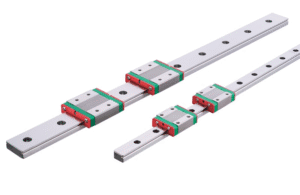
Future Trends in Linear Ball Bearings Technology
The development of linear ball bearings continues to evolve with:
- Smart monitoring systems
- Self-lubricating materials
- Higher load capacities
- Integration with automation and robotics
FAQs About Linear Ball Bearings
1. What are linear ball bearings used for?
They are used to provide smooth linear motion in machinery and automation systems.
2. How do linear ball bearings reduce friction?
They use rolling balls instead of sliding surfaces, significantly lowering resistance.
3. Are linear ball bearings suitable for heavy loads?
Yes, especially open or supported types designed for high load capacity.
4. Do linear ball bearings require maintenance?
Yes, regular lubrication and cleaning are essential.
5. What materials are linear ball bearings made of?
Typically hardened steel, stainless steel, or polymer materials.
6. Where can I buy reliable linear ball bearings?
Explore high-quality options here:
👉 https://yhlinear.com/product
Conclusion
Linear ball bearings are a vital component in modern mechanical systems, offering unmatched precision, smooth motion, and durability. Whether you’re designing automation equipment or upgrading machinery, choosing the right bearing can significantly improve performance and efficiency.
For reliable and high-quality products tailored to your needs, visit:
👉 https://yhlinear.com/product