

Introduction to Bearing Assemblies
In the world of machinery and mechanical systems, bearings play a critical role by allowing parts to move with minimal friction. When we talk about bearing assemblies, we’re referring to a complete, integrated unit designed to support rotating or moving parts within machinery, allowing them to move smoothly and efficiently. Bearing assemblies are used in a wide range of industrial, automotive, aerospace, and consumer applications, offering reliability, durability, and precision.
Whether you are dealing with high-speed machinery or heavy-duty equipment, understanding bearing assemblies and their components is essential for selecting the right type for your application, ensuring proper function, and maintaining long-term performance.

What Are Bearing Assemblies?
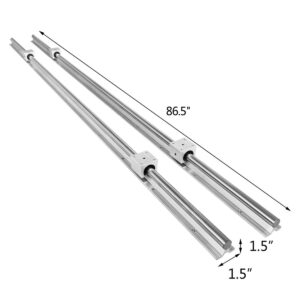
A bearing assembly refers to a pre-assembled bearing unit that integrates several essential components to make the installation, operation, and maintenance process simpler and more efficient. These assemblies typically consist of a bearing, housing, and seals. In some cases, they also include lubrication features to reduce friction and heat during operation. A bearing assembly’s purpose is to support radial or axial loads while allowing a part (often a shaft) to rotate or move with minimal resistance.
The main function of a bearing assembly is to facilitate smooth movement by minimizing friction between two parts. It helps maintain the alignment of rotating or moving elements, improving mechanical efficiency and extending the lifespan of equipment.
Components of a Bearing Assembly
Bearing assemblies consist of several critical components:
Bearing
This is the core part of the assembly that does the actual work of reducing friction between moving parts. Bearings can be classified into different types, including ball bearings, roller bearings, needle bearings, and others. Each type has different load-handling capacities and performance characteristics.Housing
The housing is the structure that contains the bearing and helps secure it in place within a machine or system. The housing protects the bearing from external debris and contaminants while also providing alignment for proper functioning.Seals
Seals prevent dirt, dust, moisture, and other contaminants from entering the bearing assembly, which could degrade performance. They also help contain lubrication, ensuring smooth operation.Lubrication
Some bearing assemblies come pre-lubricated, or they may include provisions for adding lubricant. Proper lubrication minimizes friction, heat buildup, and wear on the bearings, contributing to a longer operational life.Retainers and Cages
In some bearing assemblies, a retainer or cage is used to hold the rolling elements (such as balls or rollers) in place. This prevents the elements from contacting each other directly, reducing friction and wear.
Types of Bearing Assemblies
Bearing assemblies are tailored for different applications, with each type designed to handle specific loads, speeds, and environmental conditions. The primary types include:
Ball Bearing Assemblies
These are among the most common bearing types, consisting of spherical balls that reduce friction between moving parts. They are often used in high-speed applications due to their smooth operation and low friction.Roller Bearing Assemblies
Roller bearings use cylindrical rollers instead of balls. They are designed to handle higher radial loads and are often used in heavy-duty machinery, such as construction equipment and industrial motors.Needle Bearing Assemblies
These bearings use long, thin rollers (needles) that provide a high load-bearing capacity while minimizing the bearing’s size. Needle bearing assemblies are commonly found in automotive applications, like engines and transmissions.Thrust Bearing Assemblies
Thrust bearings are specifically designed to handle axial loads. Thrust bearing assemblies are used in applications where there are significant axial forces, such as in gearboxes, automotive wheel hubs, and high-speed machines.Spherical Bearing Assemblies
Spherical bearings consist of spherical rolling elements that can handle both radial and axial loads. These assemblies are typically used in applications where alignment issues or misalignment between parts are expected, such as in construction equipment or large industrial machines.Magnetic Bearing Assemblies
Magnetic bearings use magnets to suspend the moving parts, eliminating physical contact and friction. These assemblies are used in high-speed and high-precision applications, like in turbines, flywheels, and vacuum pumps.
Advantages of Bearing Assemblies
Pre-Assembled Convenience
Bearing assemblies come ready to install, which reduces the time and labor required for assembly. Pre-assembled units are often more convenient and easier to install, as they come with all the necessary components.Improved Reliability
The use of high-quality materials and precise manufacturing ensures that bearing assemblies provide reliable performance. Since these assemblies are tested before installation, the risk of premature failure is significantly reduced.Compact and Efficient Design
Bearing assemblies are designed to be compact and efficient, saving space while still offering strong performance. This makes them ideal for machines with limited space or systems that require lightweight designs.Enhanced Durability and Longevity
Properly sealed bearing assemblies help prevent contaminants from entering the bearing, extending the system’s lifespan. Lubrication and cage designs also reduce wear, improving durability.Noise and Vibration Reduction
High-quality bearing assemblies reduce noise and vibrations during operation, ensuring smooth operation and improved comfort, particularly in machines like motors, automotive systems, and consumer appliances.

Applications of Bearing Assemblies
Bearing assemblies are used in a broad range of industries, including automotive, aerospace, industrial machinery, and even household appliances. Below are some common applications:
Automotive Industry
Bearing assemblies are integral to vehicle systems such as wheel hubs, steering columns, transmissions, and engines. For example, wheel hub assemblies integrate bearings to facilitate smooth rotation and load-bearing.Aerospace
Aircraft rely on bearing assemblies for components such as engines, landing gears, and control systems. These assemblies must withstand high temperatures, pressures, and vibrations.Industrial Machinery
Bearing assemblies are critical in industries like manufacturing, construction, and agriculture. They are found in conveyors, motors, pumps, fans, and industrial robots, helping maintain efficiency in large-scale operations.Electronics and Appliances
Small bearings are used in household appliances like washing machines, refrigerators, and fans. They ensure smooth operation and reduce wear on moving parts.Medical Devices
Bearing assemblies are used in high-precision medical instruments, such as diagnostic machines, imaging devices, and surgical tools. They ensure smooth motion and accuracy, which are crucial in healthcare settings.
Choosing the Right Bearing Assembly
Selecting the right bearing assembly for your application requires careful consideration of several factors:
Load Capacity: Determine the types of loads (radial, axial, or combined) that the assembly will bear.
Speed: Consider the operating speed of the machine, as some bearing assemblies are designed for high-speed applications, while others are optimized for heavy-duty, low-speed use.
Environment: The operating environment (temperature, moisture, dust, and chemicals) will influence the choice of seals, lubrication, and materials.
Precision: For high-precision systems (such as in aerospace or medical devices), select a bearing assembly that offers tight tolerances and minimal play.
Space Constraints: Bearing assemblies come in a variety of sizes. If space is limited, look for compact assemblies or ones with specialized designs like needle bearings.
Maintenance of Bearing Assemblies
Even though bearing assemblies are designed to be low-maintenance, they still require periodic attention to ensure long-lasting performance. Regular maintenance practices include:
Inspection: Periodically check for wear, corrosion, or contamination that could affect the performance of the bearing assembly.
Lubrication: Make sure the bearing assembly is adequately lubricated, either by adding more lubricant or by replacing worn-out grease or oil.
Cleaning: Keep the assembly free of debris, dust, or moisture that could compromise the seals or bearings.
Alignment: Ensure proper alignment during installation to prevent excessive stress on the bearings and prolong their life.
Conclusion
Bearing assemblies are crucial components in almost every mechanical system, providing smooth, precise motion and supporting loads under a wide variety of conditions. By reducing friction and wear, bearing assemblies contribute to the efficiency, longevity, and reliability of machines and systems in a range of industries—from automotive and aerospace to electronics and medical devices.
Choosing the right bearing assembly depends on your application’s specific needs, including load capacity, speed, environment, and size constraints. With proper maintenance, bearing assemblies can ensure smooth, trouble-free operation and extend the lifespan of your machinery. Whether you’re designing complex machinery or maintaining everyday appliances, understanding bearing assemblies and their components will help you make informed decisions and improve system performance.