

Outline
| Headings & Subheadings | LSI / Related Keywords |
|---|---|
| Introduction to Linear Bearings | linear motion, precision components |
| What Is a Linear Bearing | linear bushings, shaft guides, linear slide bearing |
| Structure and Function of Linear Bearings | bearing housing, shaft support, rolling elements |
| Types of Linear Bearings | ball bearings, plain bearings, flanged bearings |
| Working Principle of Linear Bearings | sliding motion, rolling motion, friction reduction |
| Key Advantages of Linear Bearings | low friction, high accuracy, long lifespan |
| Applications of Linear Bearings | automation, CNC, robotics, medical devices |
| How to Choose the Right Linear Bearing | load, speed, accuracy, environment |
| Common Linear Bearing Materials | steel, aluminum, polymer, bronze |
| Linear Bearing Installation Guidelines | alignment, lubrication, mounting |
| Troubleshooting Common Issues | noise, vibration, wear, binding |
| Maintenance and Lubrication Tips | cleaning, inspection, re-greasing |
| Linear Bearings vs. Linear Bushings | differences, applications, precision |
| Linear Bearing Applications in Robotics | pick-and-place, automation, linear actuators |
| Innovations in Linear Bearing Technology | self-lubricating, magnetic, hybrid materials |
| Cost and Performance Considerations | price, load rating, efficiency |
| Top Manufacturers of Linear Bearings | YH Linear, THK, HIWIN, IGUS |
| FAQs | lifespan, lubrication, installation |
| Conclusion | summary, importance in linear motion systems |
Introduction to Linear Bearings
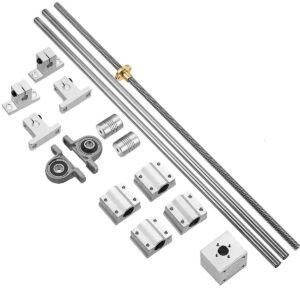
A linear bearing is one of the unsung heroes of mechanical motion. Found in automation, robotics, CNC machines, and even 3D printers, these small yet powerful components ensure that objects move smoothly and precisely in a straight line.
In essence, linear bearings minimize friction between moving parts. When integrated into linear motion systems, they provide quiet, stable, and efficient performance — critical for applications that demand both speed and accuracy.
Manufacturers like YH Linear, THK, and HIWIN produce advanced linear bearings designed to meet the needs of industries ranging from manufacturing to medical technology.
What Is a Linear Bearing
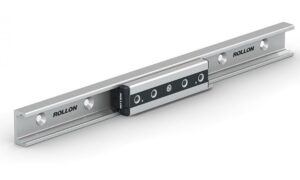
A linear bearing is a type of bearing engineered to provide free motion in one direction. Unlike traditional rotary bearings that facilitate circular motion, linear bearings guide components along a straight axis — ensuring smooth and precise movement with minimal resistance.
Linear bearings come in various forms: ball-type bushings, roller bearings, or sliding sleeves. Each uses different principles to achieve the same goal — efficient, frictionless linear movement.
Structure and Function of Linear Bearings
The structure of a linear bearing typically consists of the following parts:
Outer Housing: Provides structural support and protects internal elements.
Rolling Elements: Balls or rollers that circulate within the bearing.
Retainer or Cage: Keeps the rolling elements evenly spaced and aligned.
Shaft or Guide Rod: The surface along which the bearing travels.
End Seals: Prevent contamination and retain lubrication.
Functionally, linear bearings allow linear displacement while supporting radial and axial loads. The rolling or sliding contact drastically reduces friction, making them suitable for high-speed and high-precision applications.
Types of Linear Bearings
Ball Bushing Bearings: Use recirculating steel balls for extremely smooth, precise motion. Common in CNC and 3D printers.
Plain (Sliding) Bearings: Use polymer or bronze surfaces instead of rolling elements, perfect for dusty or clean environments.
Flanged Linear Bearings: Have built-in mounting flanges for easy installation.
Open Linear Bearings: Feature an open slot for use with supported shafts.
Self-Lubricating Bearings: Use polymer or composite materials that reduce the need for external lubrication.
Each type serves specific design needs — from high-speed motion to heavy-duty load applications.
Working Principle of Linear Bearings
Linear bearings work by allowing relative motion between two surfaces while minimizing friction. The design ensures that the rolling elements (balls or rollers) carry the load between the bearing housing and the shaft.
When the shaft moves linearly, the rolling elements recirculate through the bearing, maintaining consistent contact without slippage. This reduces friction, prevents wear, and enhances accuracy — a critical factor in CNC machines and precision instruments.
Key Advantages of Linear Bearings
Low Friction and Smooth Motion — Reduces power consumption and wear.
High Accuracy and Repeatability — Maintains straight-line movement with minimal deviation.
Compact and Lightweight — Ideal for space-limited systems.
High Load Capacity — Supports significant radial loads while ensuring smooth travel.
Durability — Hardened materials and seals enhance lifespan.
Versatile Installation — Works in vertical, horizontal, or inclined orientations.
Reduced Maintenance — Especially for self-lubricating and sealed types.
Linear bearings strike the perfect balance between precision, efficiency, and longevity.
Applications of Linear Bearings
Linear bearings play a vital role in numerous industries:
CNC Machines: For guiding the cutting head or table.
Automation Systems: Used in pick-and-place machines, conveyors, and robotics.
3D Printers: Ensure consistent motion for print head and bed movement.
Medical Devices: Used in imaging and diagnostic equipment.
Packaging Machines: Enable fast, accurate, and repetitive linear movements.
Their adaptability and reliability make them indispensable in both heavy-duty and delicate applications.
How to Choose the Right Linear Bearing
| Criterion | Considerations |
|---|---|
| Load Capacity | Check static and dynamic load limits. |
| Speed and Acceleration | Consider motion requirements for smooth operation. |
| Precision Level | Select based on alignment and accuracy needs. |
| Shaft Compatibility | Match bearing type and clearance to shaft diameter. |
| Environment | Choose materials resistant to corrosion, dust, or chemicals. |
| Lubrication Requirements | Decide between self-lubricating and greased bearings. |
Proper selection guarantees efficiency, reliability, and extended service life.
Common Linear Bearing Materials
The material of a linear bearing affects its performance, cost, and durability:
Hardened Steel: High load capacity and excellent wear resistance.
Stainless Steel: Corrosion-resistant; ideal for food or medical applications.
Aluminum Housings: Lightweight and easy to integrate.
Polymer Composites: Provide dry, quiet operation without lubrication.
Bronze: Traditional material known for smooth sliding properties.
Choosing the right material ensures optimal performance in different environments.
Installation Guidelines for Linear Bearings
Ensure alignment between the bearing and shaft to prevent binding.
Use a clean, dust-free environment during assembly.
Apply even pressure when mounting bearings into housings.
Lubricate rolling elements according to manufacturer instructions.
Perform manual movement tests to verify smooth motion before operation.
Correct installation significantly enhances lifespan and performance.
Troubleshooting Common Issues
| Problem | Possible Cause | Solution |
|---|---|---|
| Noise or Vibration | Misalignment, contamination | Clean and realign components |
| Uneven Motion | Damaged balls or shaft wear | Replace defective parts |
| Excessive Friction | Lack of lubrication | Apply suitable grease or oil |
| Bearing Binding | Over-tightened mount | Adjust housing or shaft alignment |
| Short Lifespan | Dust or corrosion | Install seals or use self-lubricating bearings |
Maintenance and Lubrication Tips
Clean shafts regularly with lint-free cloths.
Reapply lubricant periodically to prevent metal-to-metal contact.
Inspect bearings for visible wear or corrosion.
Replace seals if dirt ingress is observed.
Store spare bearings in a dry, dust-free environment.
Preventive maintenance ensures optimal motion and prevents unexpected downtime.
Innovations in Linear Bearing Technology
Self-Lubricating Bearings: Use engineered polymers for maintenance-free operation.
Magnetic Linear Bearings: Provide contactless motion for ultra-clean environments.
Hybrid Bearings: Combine steel races with ceramic balls for high-speed performance.
Corrosion-Resistant Coatings: Extend service life in harsh conditions.
Smart Bearings: Include sensors for monitoring temperature and load conditions.
These innovations are transforming linear motion technology with smarter, longer-lasting solutions.
FAQs
What is a linear bearing used for?
It enables smooth, straight-line movement with minimal friction in machinery and automation systems.
Do linear bearings need lubrication?
Most do, but some use self-lubricating polymers for maintenance-free operation.
Can linear bearings be used vertically?
Yes, as long as preload and load direction are properly considered.
What causes noise in linear bearings?
Usually contamination, misalignment, or insufficient lubrication.
What’s the difference between linear bearings and bushings?
Linear bearings often use rolling elements for smoother motion, while bushings rely on sliding surfaces.
Conclusion
Linear bearings are the foundation of precise linear motion. Their ability to deliver smooth, reliable movement under load makes them essential for modern automation, robotics, and industrial systems. Choosing high-quality linear bearings from trusted manufacturers like YH Linear ensures long-lasting accuracy and performance — the key to success in any motion-driven application.